
Burst pipe repair in Watsonville, CA
Burst Pipe Repair in Watsonville: Shut It Off, Photograph the Damage, Then Call
Water spraying from a wall, pouring through a ceiling or running under a sink. Shut it off first, photograph what is wet, then call and tell us where the break is.
The first five minutes: stop the water
Every minute a pipe runs adds to the damage, so the order matters more than speed.
- Close the shutoff for that fixture if the burst is at a sink, toilet or appliance. The small valve is on the wall or floor.
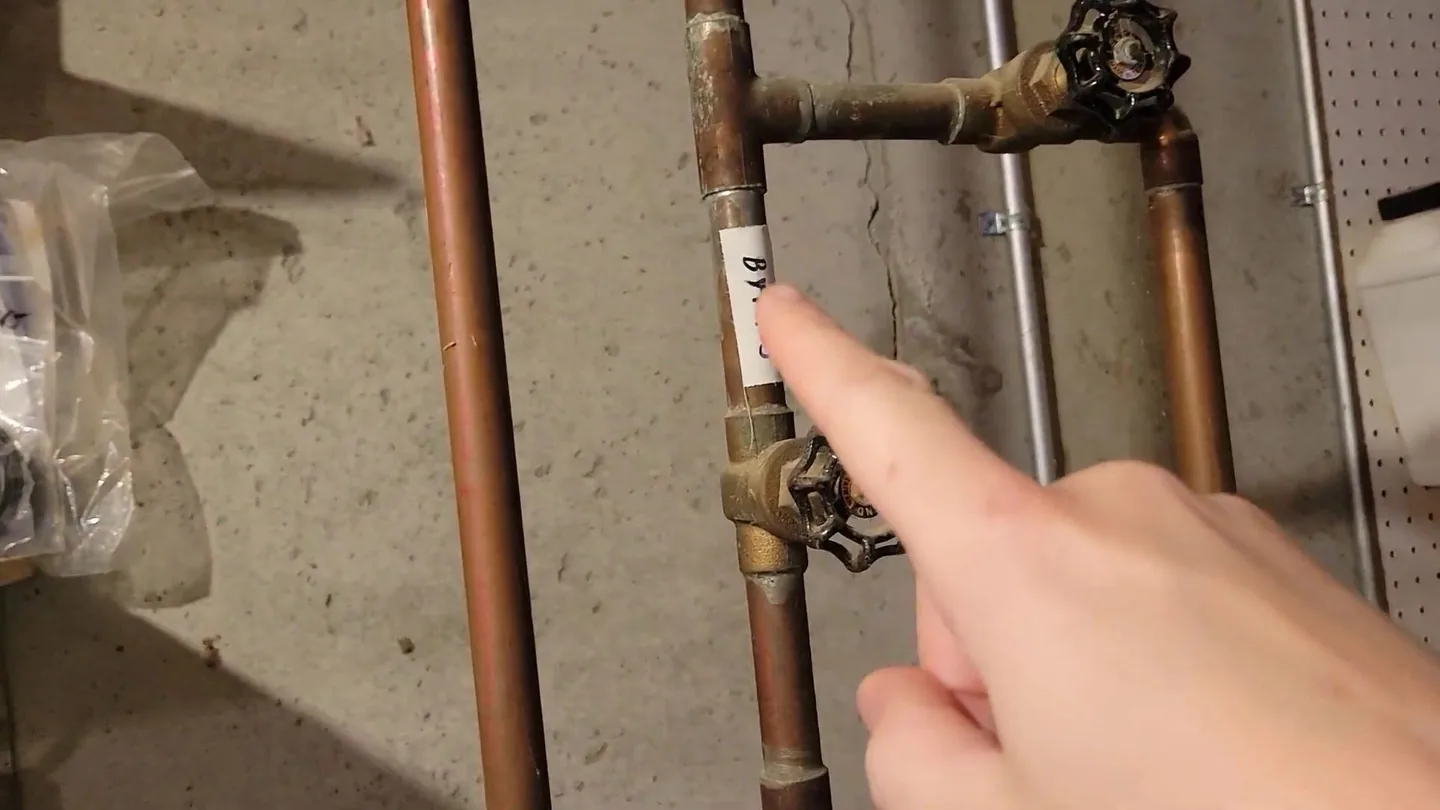
- If the water keeps coming, close the main shutoff. It is where the water line enters the house, often beside the water heater, in a garage or in a utility closet. A round handle turns clockwise several times. A lever turns a quarter turn.
- Open a faucet at the lowest point to drain what is left in the lines.
- Turn off the water heater at its control or breaker if the tank may be draining.
- Photograph everything before you move or mop anything, then call.
Water near electricity: if water is reaching the electrical panel, outlets or a ceiling light, stay clear and call 911. Do not touch the panel with wet hands or while standing in water.
Burst, or a leak that has been building?
A burst is sudden: water sprays or pours, and you can usually hear it. A slow leak is quieter and shows up as a stain, a damp wall, a bill that rose or a meter that moves with everything off.
The two need different first steps. A burst gets the main shutoff closed immediately. A slow leak gets the meter test and a leak locate before anything is opened, which the page about finding the source of a slow leak explains.
If you are not sure which you have, close the main and watch the meter. A meter that stops when the main is closed confirms the leak is inside your house.
What the repair involves
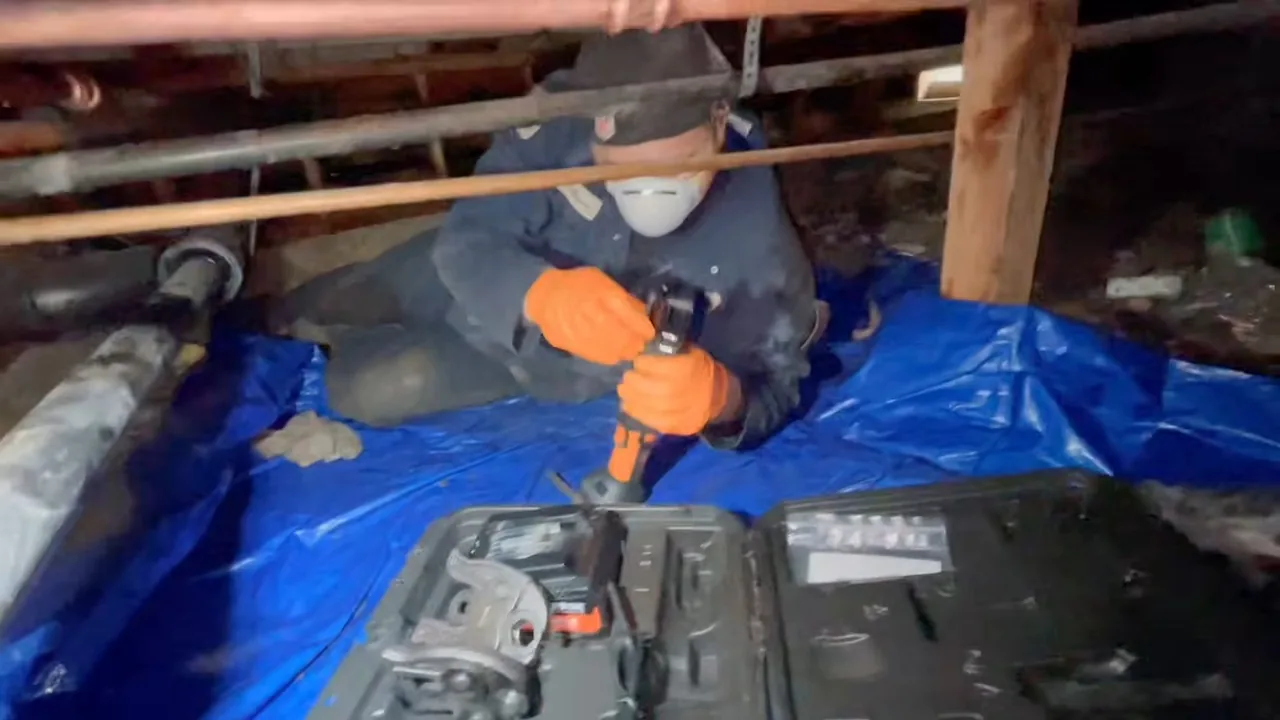
The plumber finds the failure, cuts out the damaged section and replaces it with new pipe and fittings. Then the line is pressure tested before the water comes back on.
Access is the part that surprises people. A pipe inside a wall means a hole in the drywall, and a pipe in the ceiling means a hole there. Ask where the plumber plans to cut, how large the opening will be and who patches it.
Ask them to explain what failed. A burst at a joint is a different story from a burst along the pipe's length, and the second suggests the rest of the line may be worn.
- Where is the break, and what caused it?
- What will be cut open to reach it?
- Will the line be pressure tested before it is closed up?
- Does the rest of that run look sound?
Pipe burst and the water is off? Call and tell us where the break is and what is wet. We will tell you what the visit should cover.
Call (833) 840-2034Why pipes burst
Pipes fail for ordinary reasons: age and corrosion, high water pressure, a joint that was never sound, or damage from digging, drilling or a nail. A pipe split by cold gets the same steps as any other burst, so the first-hour list above applies either way.
High pressure is worth asking about. A pressure regulator that has failed can stress every pipe in the house. Ask the plumber to check the pressure while they are there.
If one pipe burst, ask about the rest. A single failure on an old line often means the next one is coming.
Water damage after a burst
Stopping the water is only half of it. Wet drywall, flooring and insulation need to come out or be dried quickly, or mold can start. The plumber repairs the pipe, and the drying belongs to a water damage crew.
Document the damage before anything is moved or thrown out. Take photos and video of the break, the water and each wet room. Keep every receipt. Your insurer decides what is covered, so call them early and ask what they need.
Tell the plumber what is wet. They can say whether the water reached places you cannot see, such as the wall cavity below the break.
Is it one burst, or is the whole system tired?
Two or three leaks in a short time is a pattern. If you have repaired one pipe and another failed within months, the question stops being about this pipe and becomes about the system.
Whole-house pipe replacement costs more up front and changes the picture. The page about replacing the pipes throughout the house explains how to compare it with continued repairs. Ask the plumber how the pipe looks along its length, not just at the break.
What to tell the plumber on the call
A clear description shortens the visit. Say where the water came from, whether the main is closed and what is wet. Say what kind of pipe it appears to be if you can see it, such as copper, plastic or galvanized steel, and roughly how old the house plumbing is.
Mention anything near the break: a wall you recently drilled into, a garden project that went near the line or a fitting that was replaced before. Those details help the plumber find the cause, not just the failure.
Bringing the water back on
After the repair, turn the main back on slowly. Open the nearest faucet and let air sputter out until the water runs steadily. Then check the repaired section and the area below it for drips over the next hour.
Check the water heater before you use hot water, and relight or switch it on only if it is full. Watch the meter once everything is off. A meter that keeps moving means another leak is still there, and the page about tracing water that is still escaping explains the next step.
Permits, commercial buildings and shared walls
Most people assume a simple pipe repair needs no permit. The City's web pages do not say either way, so ask Building & Safety at (831) 768-3050 before work starts. Unpermitted work can bring a stop-work order and up to double fees.
In a condo, the association may own the pipe in the wall. In a rental, the landlord decides on the repair. Check before you pay. Commercial burst pipes follow the same first steps. Call and describe the building and the shutoffs, and say what is wet.
Pipe broken and the water is still on?
Close the main shutoff, then call and tell us what you see. We will tell you what to do next.