
Water heater repair in Watsonville, CA
Watsonville Water Heater Repair: Leaks, Cold Showers and Pilot Problems
No hot water, a puddle at the base of the tank, or a pilot that will not stay lit. The cause decides whether a part fixes it, and a few safe checks tell you which way it is likely to go.
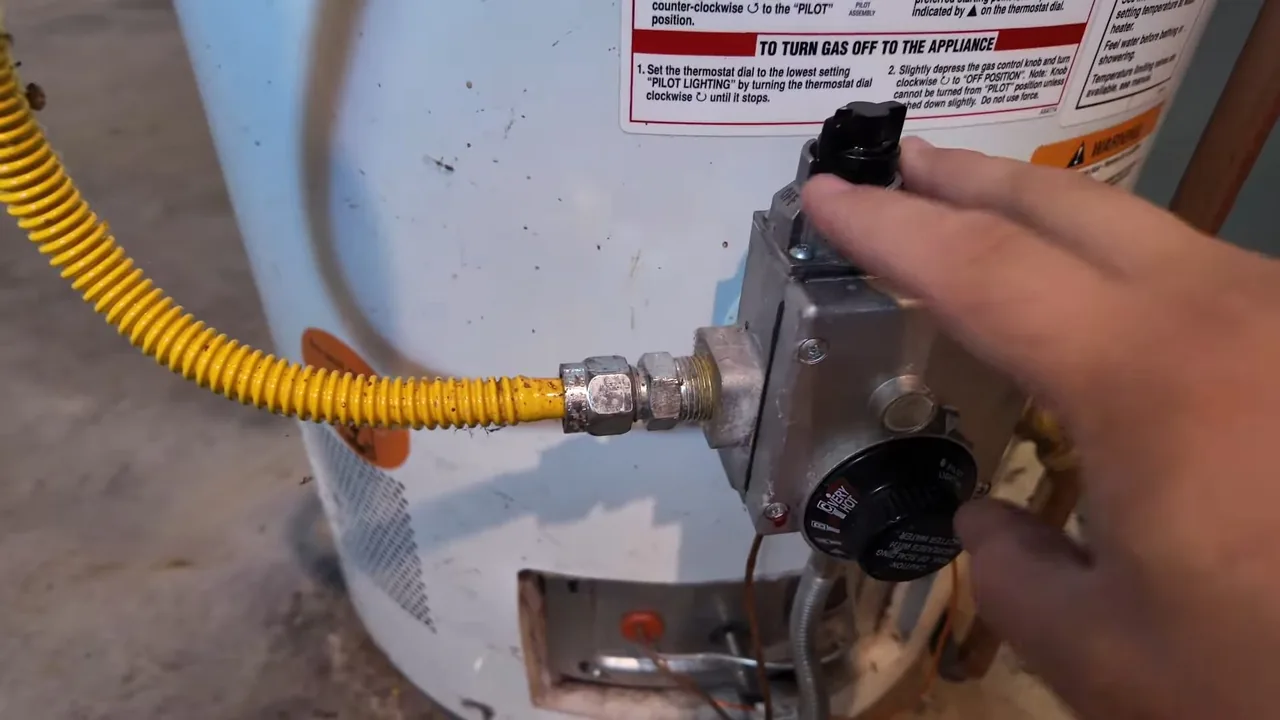
Is the tank leaking, or is something attached to it?
Water around the base of a heater looks like a dead tank, but it is often something simpler. Dry the floor and the heater with a towel, then watch where the first drop appears.
A drip from the pipe fittings on top, from the temperature and pressure relief valve or its discharge pipe, or from a loose drain valve can usually be repaired. Water that seeps from the tank body itself, or from the bottom seam, means the inner tank has failed. That is a replacement, and no part will change it.
- Close the cold water valve on the pipe above the heater to stop the supply.
- If you can reach it safely, switch off the breaker for an electric heater or set the gas control to off or pilot.
- Put a pan or towels under the leak and take a photo of where the water starts.
A leak is urgent when it is steady, it is reaching finished flooring, or it is near electrical gear. Close the cold valve and call right away. A slow drip at a fitting can wait for a scheduled visit.
No hot water: gas and electric heaters fail differently
The fuel type tells you where to look. Gas heaters most often lose hot water when the pilot goes out, when the thermocouple that proves the flame is present wears out, or when the gas control valve fails. Electric heaters usually lose it because a tripped breaker, a failed heating element or a bad thermostat has cut the heat.
Before you call, check the breaker for an electric unit, and look at whether the label on a gas unit shows relighting steps you are comfortable following. If the pilot goes out again after a relight, stop. The cause is a part that needs replacing.
If you smell gas at any point, leave the house and call 911 or your gas utility from outside. Do not try to relight the pilot, and do not call a plumber before you call them.
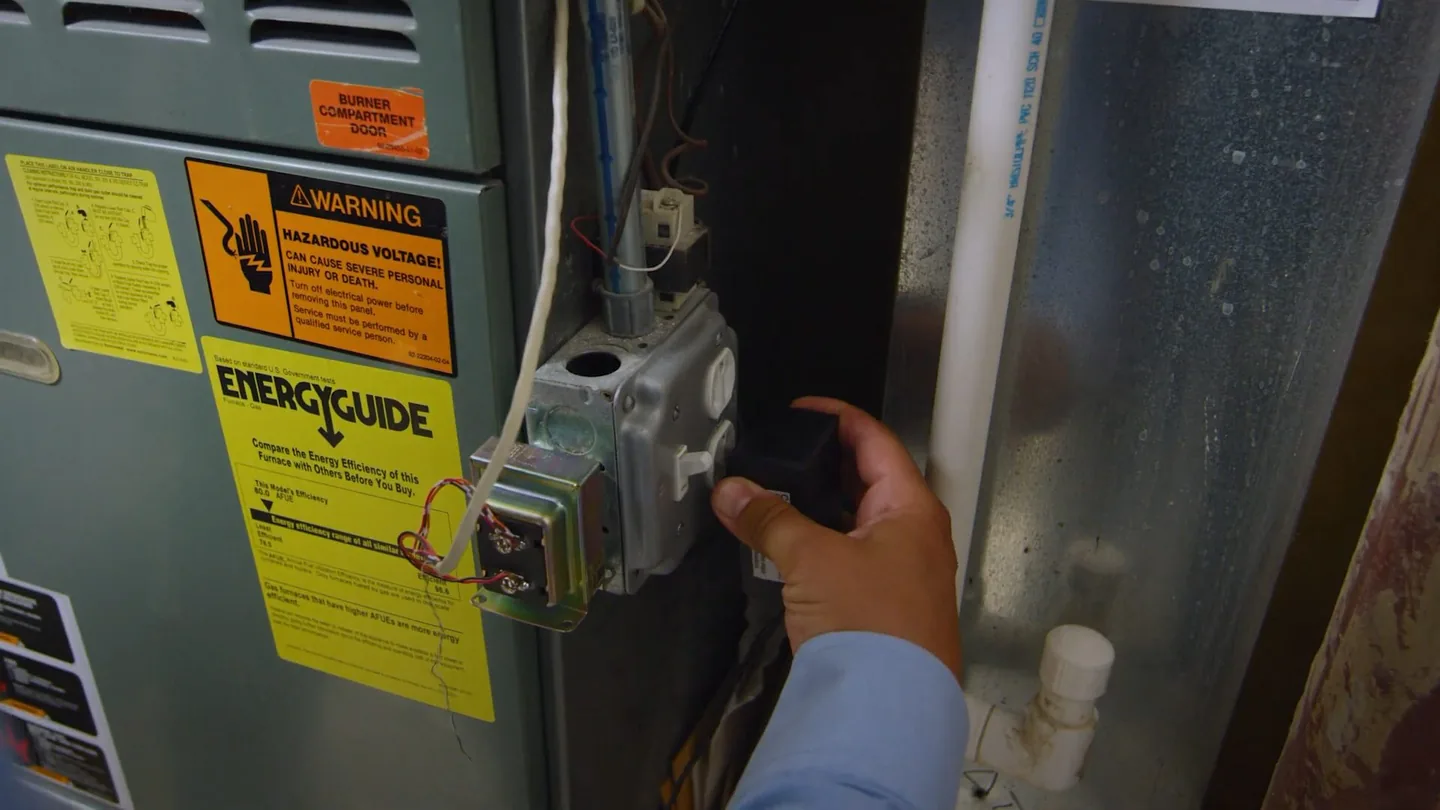
Cold showers and a heater you cannot diagnose? Tell us the fuel type and what you see, and we will say what the visit should cover.
Call (833) 840-2034Hot water that runs out fast, or never gets hot enough
A heater that works but runs lukewarm or empties in a few minutes is usually partly failed. Sediment settles at the bottom of the tank and insulates the water from the burner or lower element. An electric unit may have one element dead while the other still heats. A thermostat set too low gives you the same symptom, so check that setting first.
A shower that turns hot and cold on its own may not be the heater at all. A worn shower valve or a faucet cartridge can mix water badly and mimic a heater fault. Ask the plumber to check the fixture as well as the tank, and to tell you which one was at fault.
Combined visits like that are worth requesting by name. If the fixture is the cause, the related repair is covered under faucet and sink repair, and one visit can settle both.
Noises and smells: what is normal and what is not
Rumbling, popping or a ticking sound while the heater runs usually means sediment is sitting at the bottom and water trapped under it is boiling. It is a sign of wear and a good reason to ask whether a flush will help or whether the tank is already too far gone to bother.
A hiss at the top of the tank may be water touching a hot surface after a small leak. A sulfur smell in the hot water only, and not the cold, points to a reaction inside the tank, and it is worth asking the plumber about the anode rod.
Treat two signs differently. Any gas smell means leave the house and call 911 or your gas utility. Rust-colored water that comes only from the hot taps can point at the tank itself, and it should be looked at before the tank leaks.
Repair or replace: the questions that settle it
Repair is the right call when the tank is sound and the failed part is a valve, element, thermostat or thermocouple. Replacement is the right call when the tank leaks, when the unit has needed several repairs in a short span or when it is far past the age printed in its warranty.
Find the manufacture date in the serial number on the label, and ask the plumber to read it back to you. Then ask for two numbers: the repair quote and the replacement quote. Compare them with the age in front of you, not with a hope that the old unit has a few years left.
When replacement wins, replacing a water heater covers the choices you will face, from fuel type to hybrid models. If you are considering a tankless unit instead, that has its own page on a tankless water heater.
Strapping, venting and permit questions on a repair visit
California Health and Safety Code 19211 says that water heaters must be braced, anchored or strapped, and that includes existing residential units. Ask the plumber to look at the straps on any repair visit. A heater standing loose on its own weight is a hazard in an earthquake.
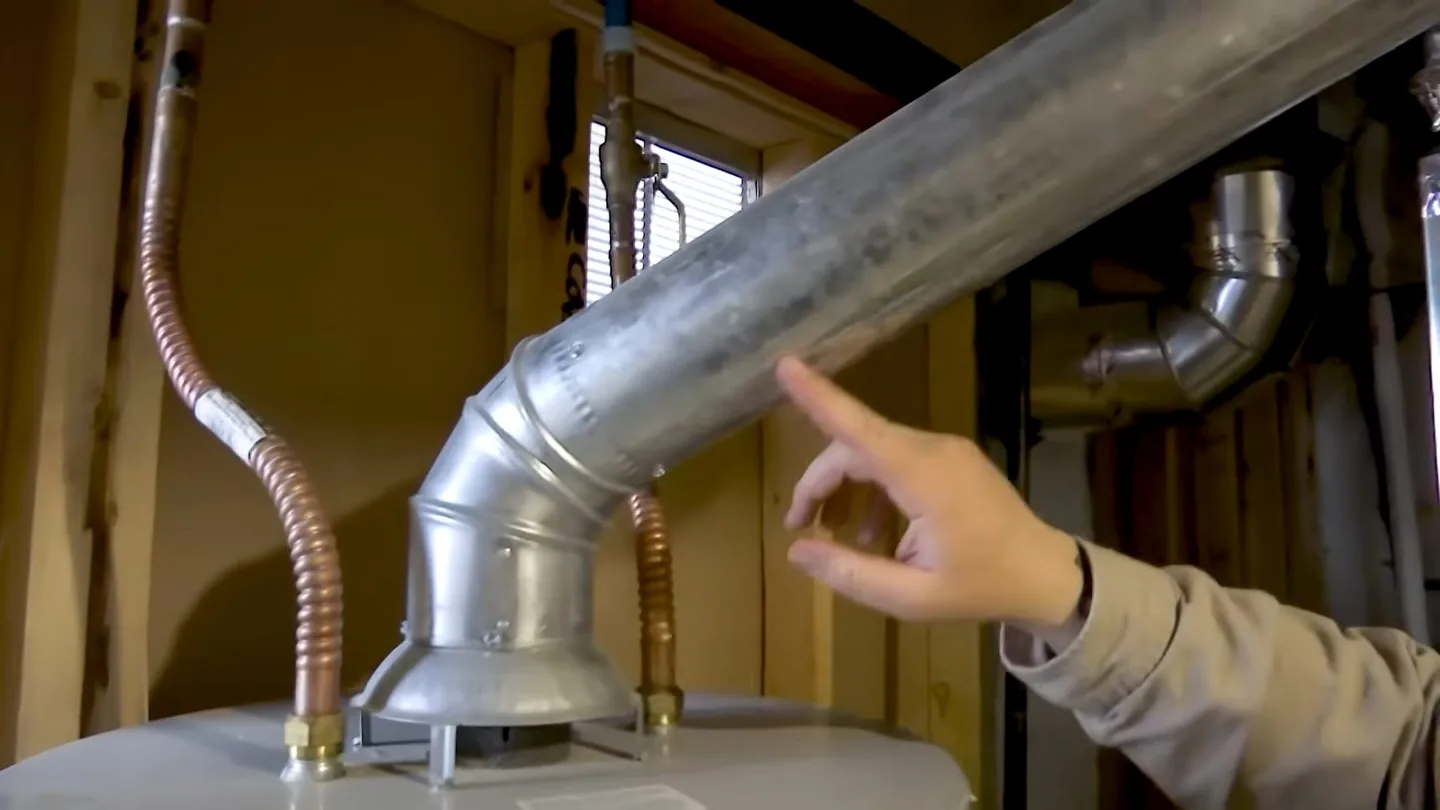
A gas heater also needs a clear vent. A rusted flue, soot marks above the draft hood or a burner flame that burns yellow all deserve attention, and a carbon monoxide alarm near the sleeping area is the simple safeguard that tells you something is wrong.
Whether a water heater repair needs a City permit is not spelled out on the City of Watsonville pages. For anything beyond swapping a part, such as gas piping or moving the unit, ask Building & Safety at (831) 768-3050 before the work starts.
What to have ready before you call
A few facts shorten the visit and let the plumber bring the right parts. Most of them are on the label on the side of the tank.
- The fuel type: gas, electric or a hybrid heat pump model.
- The size in gallons, and the brand and model number.
- Where the heater sits: garage, closet, attic or outdoors.
- What you see: dripping, no hot water, low temperature or noise.
- When it started, and whether anyone has relit the pilot or reset a breaker.
That list also helps you judge the answer. A plumber who asks for these details before quoting is working from facts rather than from the first guess.
Heater down and the family waiting on hot water?
Call and tell us the fuel type and what you see. We will tell you whether it sounds like a repair.