
Whole-house repiping in Watsonville, CA
Repipe in Watsonville, CA: When Patching Leaks Stops Making Sense
Another pinhole leak, another patch, and the same worry that it will happen again. A repipe ends the cycle, but only if the pipe, not one fitting, is the real problem.
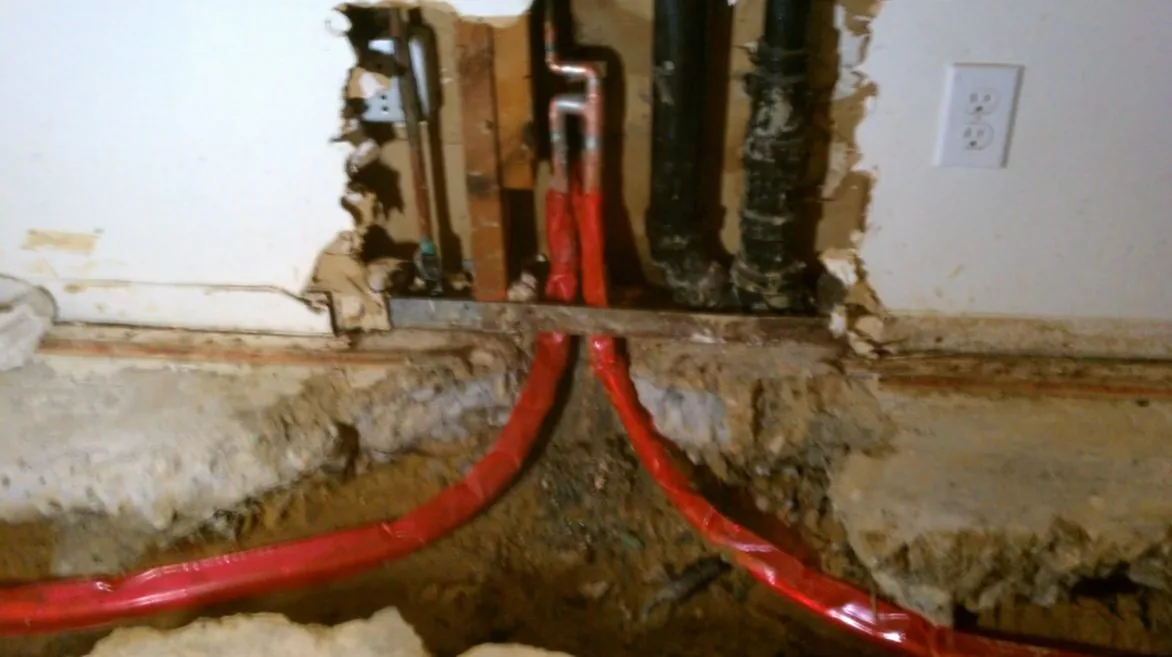
Patch the leak, or replace the pipe?
One leak is a repair. Three leaks in two years, in different parts of the house, is a pattern. A repipe replaces the supply lines throughout the house, so the question is whether the pipe is failing everywhere or only in one place.
Signs that point to the pipe itself include pinhole leaks that keep appearing, water that comes out discolored, pressure that has dropped at several fixtures and repairs that fail near the old fitting a few months later. Signs that point elsewhere include a single wet spot that follows one event, such as a freeze, a nail or a fitting that was installed badly.
What you cannot tell from the outside is the pipe material or the condition of the walls. Do not accept a repipe recommendation from someone who has not looked at the pipe.
What a plumber should check before recommending a repipe
A repipe is the most expensive plumbing decision most homeowners face, so ask to see the evidence. The plumber should be able to tell you the pipe material, show you where the failures occurred and say whether the rest of the system is likely to follow.
If you have only one or two leaks and no one has located them, locating the leak first may answer the question without opening walls. And a single failed section is a burst or broken pipe repair, not a repipe. Insist on being shown the difference.
- The pipe material, identified at an accessible point.
- A list of where leaks have occurred, and when.
- A pressure reading, since high pressure damages pipe and fixtures.
- A clear reason why the rest of the line is likely to fail.
The age of the house is a clue to the pipe material. If you do not know when yours or your street was built, the Pajaro Valley Historical Association keeps an archive of local photographs and maps, and it is worth asking whether it can help with your address. The plumber's own look at the pipe still decides the question.
Weighing a repipe against another repair? Call and describe the leaks you have had. We will tell you what a plumber should check first.
Call (833) 840-2034When a repipe is not the answer
Low water pressure at one fixture is usually that fixture, its aerator or its shutoff, not the house. Water that is cloudy or discolored only after the water heater has been off may be a heater problem. A bill that has crept up may be a toilet or an irrigation leak.
A repipe also does not touch the drain side of the plumbing. If your problem is a slow drain, a sewer backup or gurgling, the supply lines are not involved, and a repipe will not fix it. Describe the symptom plainly on the call and let the plumber say which system it belongs to.
Any plumber who proposes a repipe before asking what symptoms you have seen should be asked to explain why.
PEX, copper or something else: choosing the material
Most whole-house repipes today use either PEX tubing or copper. PEX is flexible, so it can be routed through walls with fewer fittings and less demolition. It must be kept out of direct sunlight, which matters in a garage with windows or any exposed run.
Copper has a long record and tolerates heat and sunlight, but it takes more labor and more joints, and it can be damaged by some water conditions over time. Neither is a universal answer, and you should hear why the plumber prefers one for your house.
Ask about the fittings and the manifold layout if PEX is proposed, and ask whether the material and method are approved for use in your property. The City does not spell that out on its web pages, so Building & Safety at (831) 768-3050 is the office to ask.
How long the walls stay open and the water stays off
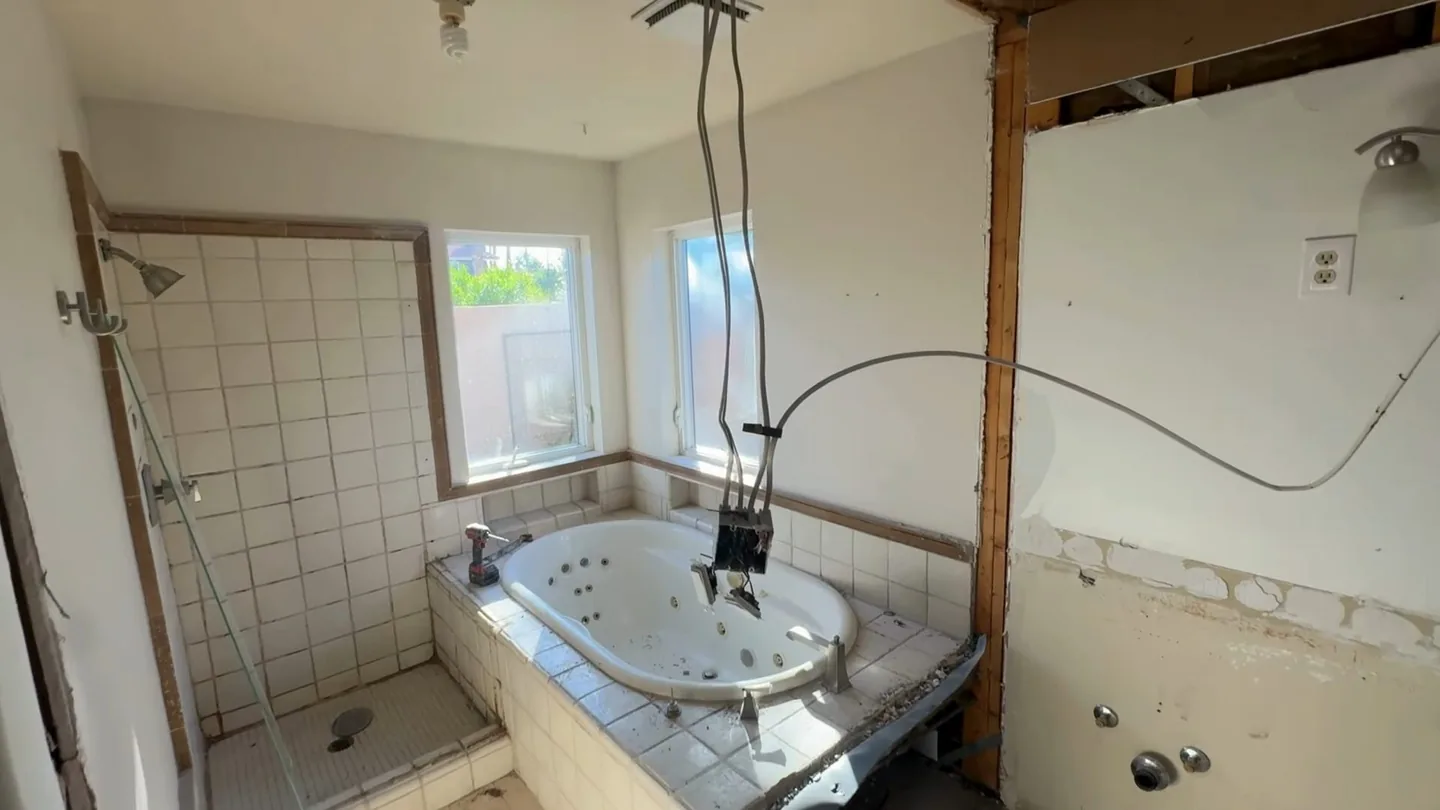
A repipe is disruptive, but it is not endless. The plumber opens access points in walls and ceilings, runs new lines, connects each fixture and tests the system before closing. During parts of that, the water is off.
Ask for a written plan that names which walls will be opened, how many days the water will be off and when you will have water at night. Ask who patches the drywall and who paints. A quote that says nothing about patching leaves the largest part of the project unpriced.
If you can stay elsewhere for a night, or if a bathroom can be kept working while another is repiped, say so on the call, because it changes the schedule.
Permits, licensing and who you hire
Whether a repipe needs a Watsonville permit is not spelled out on the City's web pages. The Building Division issues permits, and it says unpermitted work can bring a stop-work order and up to double fees. Ask Building & Safety at (831) 768-3050 before you sign, and make the plumber state who pulls the permit.
Check the contractor's license on the Contractors State License Board site. California requires a license once a job passes the dollar limit that took effect on January 1, 2025, and a whole-house repipe will pass it. Ask for the license details before work begins.
Get the scope in writing: the material, the number of fixtures, the shutoffs, the pressure regulator, the patching and what is excluded.
Comparing two repipe quotes
Two quotes for the same house can differ by a large margin and still describe different jobs. Line them up by what each includes, not by the total.
The comparison should show the pipe material and its fittings, and the number of fixtures and appliances reconnected. It should say whether valves and a pressure regulator are replaced, and how access and patching are handled. It should also cover the permit, the labor warranty and what happens if a hidden problem turns up once the walls are open.
A quote that is short on those items may only be leaving the cost for later.
- Material and fittings named.
- Fixtures and appliances counted.
- Valves and pressure regulator listed or excluded.
- Patching and paint listed or excluded.
- Permit status stated.
- Warranty terms in writing.
Things to replace or check while the walls are open
Opening the walls is the easiest moment to deal with old shutoff valves under sinks and toilets, a worn main shutoff and a pressure regulator that no longer holds. Ask the plumber to price those as separate items so you can choose.
If the water heater is near the end of its life, a repipe is also the time to think about it, since the connections are being redone anyway. Replacing the tank at the same time covers what to decide first.
Keep the old fittings and a photo of any failure. They are the evidence that supports the recommendation, and they will matter if you later dispute a repair.
Facing a repipe decision?
Call and tell us what has failed and when. We will tell you what a plumber should show you before you agree.