
Water damage restoration in Watsonville, CA
Watsonville Water Damage Restoration: Dry the House Before Mold Starts
Wet floors, a stained ceiling or sewage in the house. The damage gets worse every hour the materials stay wet, so the first steps are stopping the water and getting the room dry.
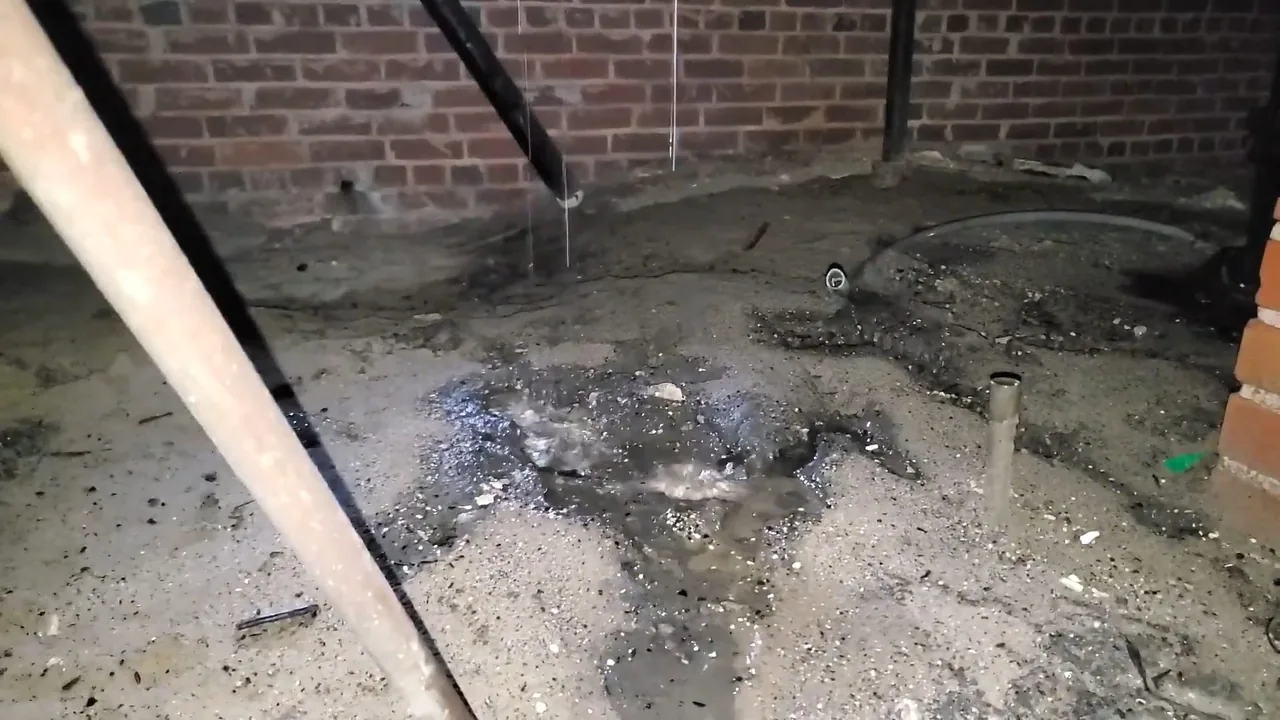
Shut off the water and avoid outlets before drying starts
Drying cannot begin while water is still arriving. Before anything else, close the main shutoff or the valve for the fixture that is leaking. If the water came from a sewage backup, stop using every drain in the house.
Then deal with safety. Do not walk through standing water near outlets, a panel or a ceiling light fixture that has water behind it. If water has reached the electrical panel or is coming through a light fixture, stay out, and call 911 or your electric utility. A restoration crew cannot start work in a room that is still energized and wet.
Call right away if water is still coming in, if it is sewage, or if wet materials cover more than one room. The first hours decide how much comes out and how much can be dried in place.
Clean water, gray water or sewage: the category changes the job
The kind of water decides what happens to the materials it touched. Water from a clean supply line can usually be dried in place. Water from a washing machine, a dishwasher or a tub drain carries soap and soil and needs more care. Water from a toilet, a sewer or a drain backup carries bacteria, and anything porous that it soaked has to come out.
Tell the person on the phone where the water came from and how long it has been there. Time matters, because clean water that sits for days turns into something worse. Ask the crew to tell you what category they assess it as and why.
- Clean water from a supply line, a water heater or a faucet: porous materials can often be dried.
- Gray water from an appliance or a drain: more of the wet material is likely to be removed.
- Sewage or floodwater: carpet, padding, drywall and insulation that got wet are removed, not dried.
Water on the floor right now? Call this line and describe what happened, where it came from and how long it has been there.
Call (888) 681-3447What drying actually involves
Good restoration is measured, not guessed. The crew pulls standing water out first, then takes moisture readings of the floor, the walls and the structure behind them. Air movers and dehumidifiers then run until the readings return to normal for the material.
Ask for the readings. A crew that takes numbers on the first visit and again on each return can show you the materials are drying. A crew that sets equipment and leaves without readings cannot tell you when the job is finished.
Ask how many days of equipment you should expect and what you need to do while it runs: keep doors and windows closed, leave the machines on and call if one stops. Moisture that stays in a wall cavity is how a single leak becomes a mold problem.
Carpet, hardwood and drywall: what to dry and what to replace
The material decides the answer more than the amount of water. Carpet can often be dried if the water was clean and the response was quick, but the pad underneath is usually replaced. Hardwood can be dried in place, though boards that cup or swell may have to be replaced. Drywall and insulation that stayed wet or that touched sewage come out.
A stain on a ceiling needs one question answered before any cleanup: where is the water coming from? A ceiling stain can come from a supply line, a drain, the roof or a heating and cooling line. The cleanup follows the source, so find it first and have the leak fixed.
In a basement or a bathroom, water lingers longer because there is less air movement and more porous material. Subfloors, vanity bases and baseboards can hold water long after the surface looks dry, so ask the crew to check them with a meter.
Wall damage works the same way. Water can travel inside a wall far from where you see it, which is why moisture readings matter more than the size of the stain.
Sewage backup cleanup
A sewage backup is a health problem as much as a wet one. Keep children and pets out, and wear gloves and boots if you must cross the area. Do not run the vacuum you use for other rooms through it.
The cleanup has two parts: the plumbing cause and the affected materials. In Watsonville the private sewer lateral is the owner's responsibility, and the City handles its own main, so the first call about the cause depends on where the stoppage is. The page on sewer line backups explains who to call.
Expect wet porous materials to be removed rather than dried, and expect the area to be cleaned and disinfected before drying equipment is set up.
Mold after water damage: removal only
Damp materials that stay wet invite mold. If mold has already appeared on wet drywall, baseboards or flooring, the affected materials can be removed as part of the cleanup, and the area dried so it does not return.
This page covers removal of visible growth on materials affected by water damage. It does not cover mold testing or rebuilding after the removal. If you want testing, ask for it separately and from someone other than the company that does the removal.
Storms, floods and water that did not start in a pipe
If the water came from outside, say so when you call. Rain, runoff or a flooded yard bring soil and debris with them, and the drying plan is not the same as for a broken supply line.
In that situation the cause is not a plumbing fault, so there is nothing to repair on the plumbing side. The work is extraction, removal of materials that got contaminated and drying. Keep photos and dates, and call your insurer early.
An insurer may want to see the moisture readings and photos, so ask for copies as the job goes.
Commercial properties
A shop, restaurant or office has the same water but different stakes. The question is how fast the space can reopen and which areas can stay in use while others dry.
Ask for a written drying plan that names the rooms, the equipment and the target readings, and ask how the crew will work around your hours. If the building has tenants or shared walls, ask who is responsible for the units next door.
After the drying: who fixes the leak and who rebuilds
Restoration here means water removal and drying. It does not include the plumbing repair that stopped the water, or the carpentry, drywall and paint that rebuild the room afterward.
For the repair side, a hidden leak starts with leak detection, and for a ruptured pipe, see repairing a burst line. For rebuilding, you will need a general contractor, and you should keep the moisture readings to show the walls were dry before they were closed.
Water damage that cannot wait?
Call the water damage line and tell us what happened. We will tell you what the first visit involves.