
Sewer line repair in Watsonville, CA
Watsonville Sewer Line Repair: Whose Pipe Is Backing Up, Yours or the City's?
Sewage in the tub, a toilet that will not clear or a yard that smells. Before anyone digs, you need to know whose pipe has failed and what a camera shows about the inside of it.
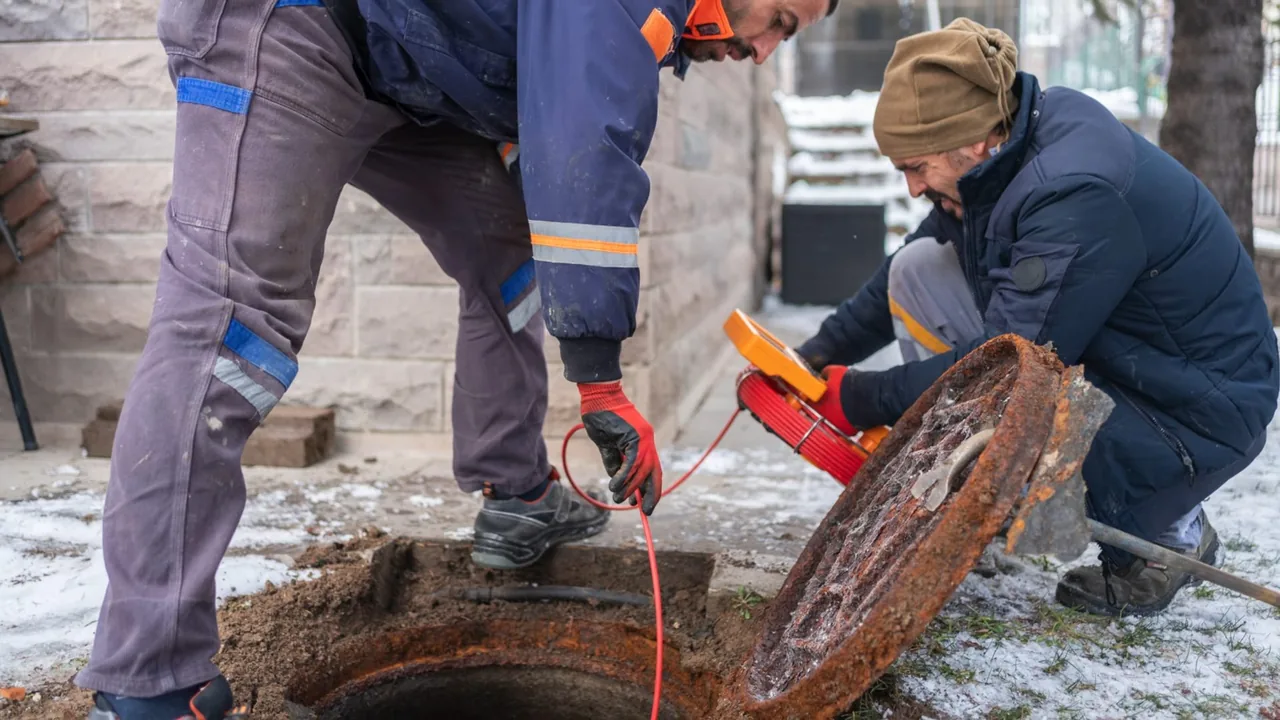
Whose pipe is backing up?
Sewage in the tub or a toilet that will not clear sends most people to the City first. In Watsonville the answer depends on where the stoppage is. The private sewer lateral, the pipe from your house to the City main, belongs to the property owner, who repairs and replaces it at their own expense. The City handles its own main in the street, and it will not take over lateral repair costs.
If a manhole is overflowing or sewage is surfacing in the street, call the City at (831) 768-3133, or (831) 471-1151 after hours. If the backup is limited to your house, your plumber is the right call, and the City's own FAQ says the owner hires one.
Freedom is the exception. Addresses there are served by the Freedom County Sanitation District, not the City, and spills go to (831) 477-3907. The District's page does not say who owns the lateral, so ask both offices before you pay for a repair. The Freedom service area page covers that boundary.
Call right away if sewage is rising inside the house. Stop using water, keep people and pets out of the wet area and do not open a cleanout under pressure.
Signs the lateral is failing before it backs up
A lateral rarely fails all at once. The warnings are repeated clogs in the same line, gurgling from a toilet or tub when the washer drains, a sewage smell near the cleanout or a wet or sunken patch in the yard along the pipe route.
You can find your cleanout, usually a capped pipe at ground level near the house or the property line, but leave the cap on if water is backing up. What the cleanout cannot tell you is the condition of the pipe. Only a camera answers that.
A line that clears and then clogs again within weeks is telling you the pipe has a defect that a cable did not remove. The next step is the same as the one for any recurring clog: look, then decide.
The first hour of a sewage backup
What you do before the plumber arrives limits both the damage and the health risk. None of it needs tools.
- Stop all water use. Every flush, shower and load of laundry sends more water into a pipe that cannot take it.
- Keep people and pets out of the wet area. Sewage carries bacteria, so wear gloves and boots if you must cross it, and wash well afterward.
- Photograph what came up and where. Note which fixtures backed up and in what order, since that points toward the part of the line that is blocked.
- Call the right office. A manhole overflow or street spill goes to the City. A backup in the house goes to a plumber. Freedom addresses start with the Sanitation District.
When sewage has reached carpet, drywall or flooring, the cleanup is a separate job from the pipe repair. The page on water damage restoration after a backup explains what that involves.
What a sewer camera inspection should show you
A camera run is the diagnosis behind every sewer decision. The plumber feeds a small camera down the cleanout and records the pipe as it goes. What you need is not a verdict but evidence.
Ask for the footage or screenshots of each defect, the distance from the cleanout to the problem and the pipe material the camera saw. Ask whether the line holds water or has a low spot where waste stands, and ask the plumber to mark the surface above any defect so a repair can be quoted.
- Footage you can keep, not only a description.
- Distance and approximate depth of each defect.
- Whether the problem is roots, a crack, a joint offset, a sag or a collapse.
- A plain statement of what repair, if any, each defect needs.
Backup or a recurring slow main line? Describe it and we will say whether a camera look should come first.
Call (833) 840-2034Cleaning the main line or repairing it?
Cabling or snaking the main line gets water moving again. It does not repair the pipe. If roots entered through a joint, clearing them buys time, and the roots return unless the joint is fixed. A line that has been cleared three times in a year is a repair candidate, not a maintenance item.
For a stoppage you have not seen before, clearing first is reasonable, and cleaning a clogged drain covers what that visit should include. When the camera finds roots, a crack or a sag, repair is the question to ask, and cast iron or older clay pipe tends to show these signs as it ages.
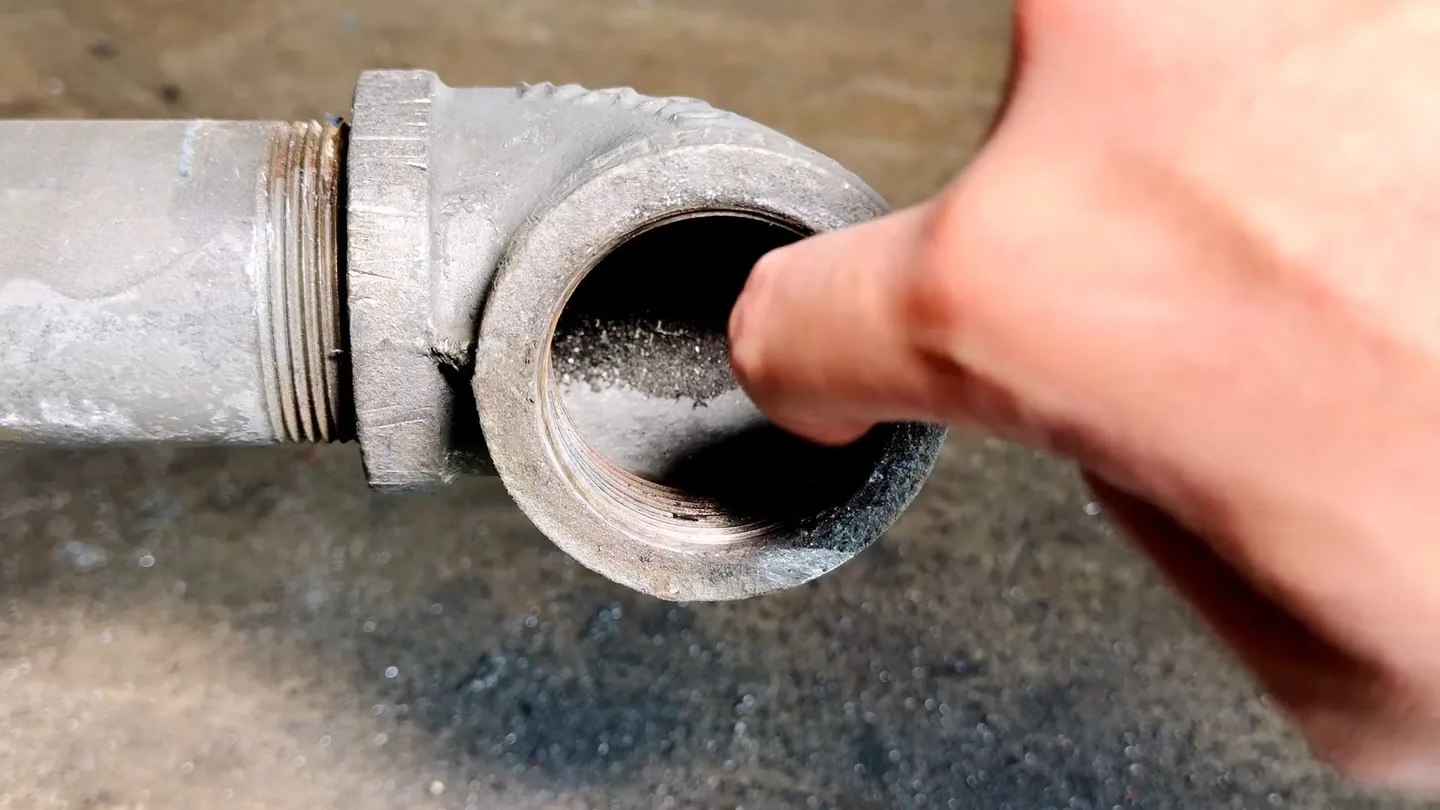
Old cast iron drain pipe, inside or under a house, corrodes from the inside and can scale, crack or leak at the joints. A camera shows the rough interior, and the repair is replacing the failed section, not cabling it again.
Ask the plumber to separate the two on the quote: the cost to clear it today, and the cost to fix the cause.
Selling your home: the time-of-sale lateral inspection
The City requires a sewer lateral inspection when a property is sold. The inspection must be certified by a NASSCO-certified plumber who also holds a Watsonville business license. The City's form says a lateral must be confirmed in working order at least every 15 years, and it cites Municipal Code 6-3.503 and 6-3.508(d).
Ask any inspector for both credentials before booking, and book the inspection early. If the camera finds a defect, the repair falls to you as the owner, and it may need a permit and several days. Starting late puts the closing date at risk.
Confirm the current cycle and any forms with the City before you rely on this page, because the City's web pages and its inspection form do not use the same wording for the interval.
Dig, spot-repair or line it: choosing the method
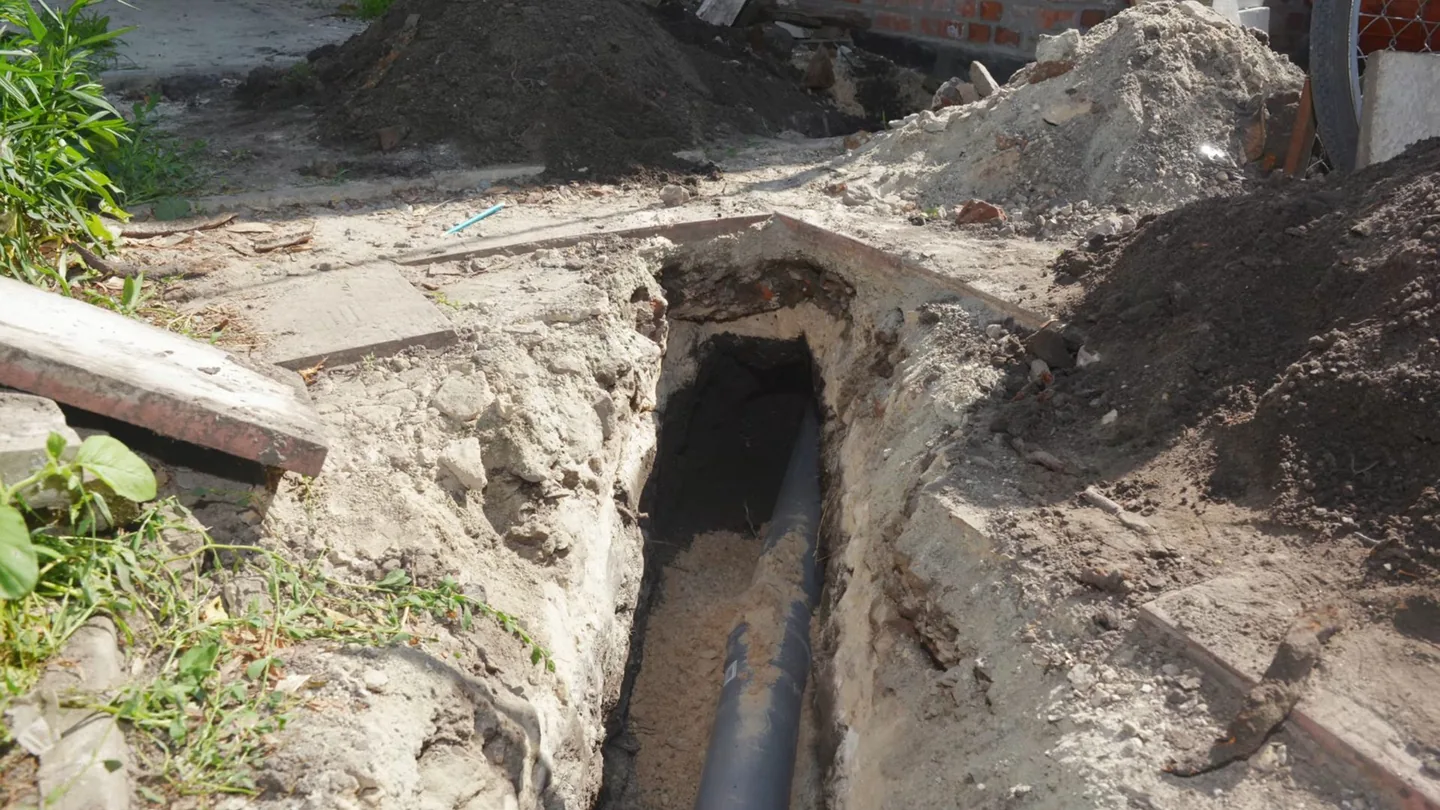
A short, well-defined defect, such as a single crushed section or a broken joint, can often be fixed by excavating and replacing just that stretch. A pipe with several defects along its length is a candidate for a longer replacement or for a no-dig method. trenchless sewer repair explains when lining makes sense and when it does not.
Digging brings its own steps. Call 811 at least two working days before any excavation so underground utilities are marked. The City requires a written permit to build a lateral or to connect to the main, so ask the plumber who pulls it and what the City inspects.
The City has also published a rebate program for lateral repairs. Whether funding is open now is not stated, so ask the City before work starts, keep photos and invoices, and note that its page asks for documentation within 30 days of the repair.
Commercial and industrial sewer lines
A business has bigger pipes, more waste and less tolerance for downtime. A restaurant, a shop or an agricultural building may have grease, solids or high volumes that residential lines never see.
Ask about the schedule before the work begins: when the line will be out of service, how the business will keep running and whether a temporary option exists. Ask who owns the lateral for your address, as the City handles its own main and the owner handles the lateral, and ask whether the work needs a permit.
For a recurring grease problem, ask whether the camera showed grease or damage. High-pressure jetting covers the line-cleaning side of that question.
Sewage backing up or a lateral you do not trust?
Call and tell us what you see. We will say whether it is time for a camera inspection.