
Garbage disposal repair in Watsonville, CA
Garbage Disposal Repair in Watsonville, CA for Jams, Leaks and Units That Only Hum
A disposal that hums and will not spin, a unit that drips into the cabinet, or a switch that does nothing. Each points to a different fix, and the first check needs no tools.
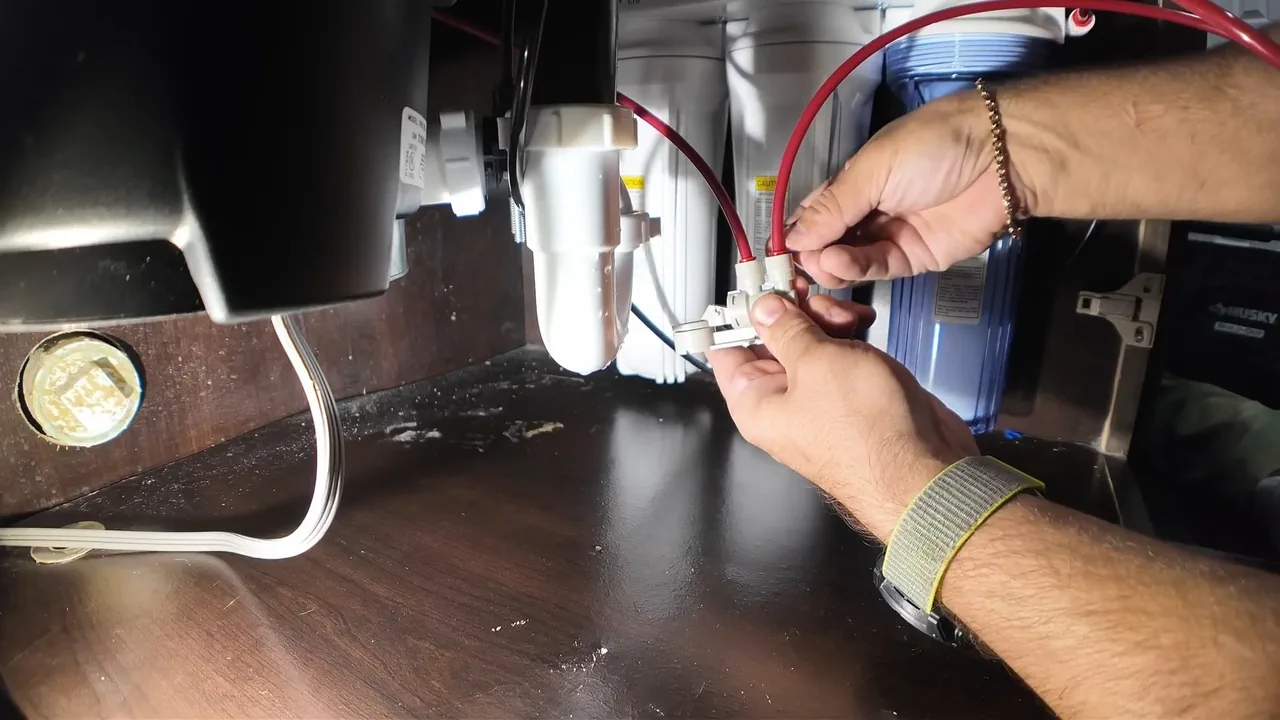
Humming, silent or leaking: which one is yours?
The sound tells you where to start. A disposal that hums but does not spin is jammed. One that makes no sound at all has lost power or tripped its own reset. One that works but drips has a leak, and that is a different repair.
Before anything else, turn the disposal off at the wall switch, and switch off its breaker or unplug it if it has a plug. Never put a hand in the opening, even when the switch is off. If a spoon handle or bottle cap is visible, lift it out with tongs.
For a jam, most units have a hex socket in the center of the underside that a hex key can turn back and forth to loosen the jam. For a silent unit, look for a small red reset button on the underside and press it once. If the unit stays dead after that, the problem is the motor, the switch or the wiring.
What these checks cannot tell you: whether the motor is worn, or why the unit jammed in the first place. A disposal that jams again within days is telling you something is wrong with the unit or with what goes into it.
Where is the water coming from?
Dry the disposal and the cabinet floor with a towel, then run water for a minute and watch. A leak almost always shows up in one of three places, and the location decides whether the unit can be saved.
- At the top, under the sink flange. The mounting seal or the sink flange has loosened. This is usually a repair.
- At the side, where the dishwasher hose attaches. The hose clamp or the hose itself has failed. Also a repair.
- At the bottom or through the housing. The casing has cracked or a seal has failed inside. This is a replacement.
Place a dry paper towel under each joint to see which one is wet. Report that location on the call, because it saves the plumber a trip back for parts.
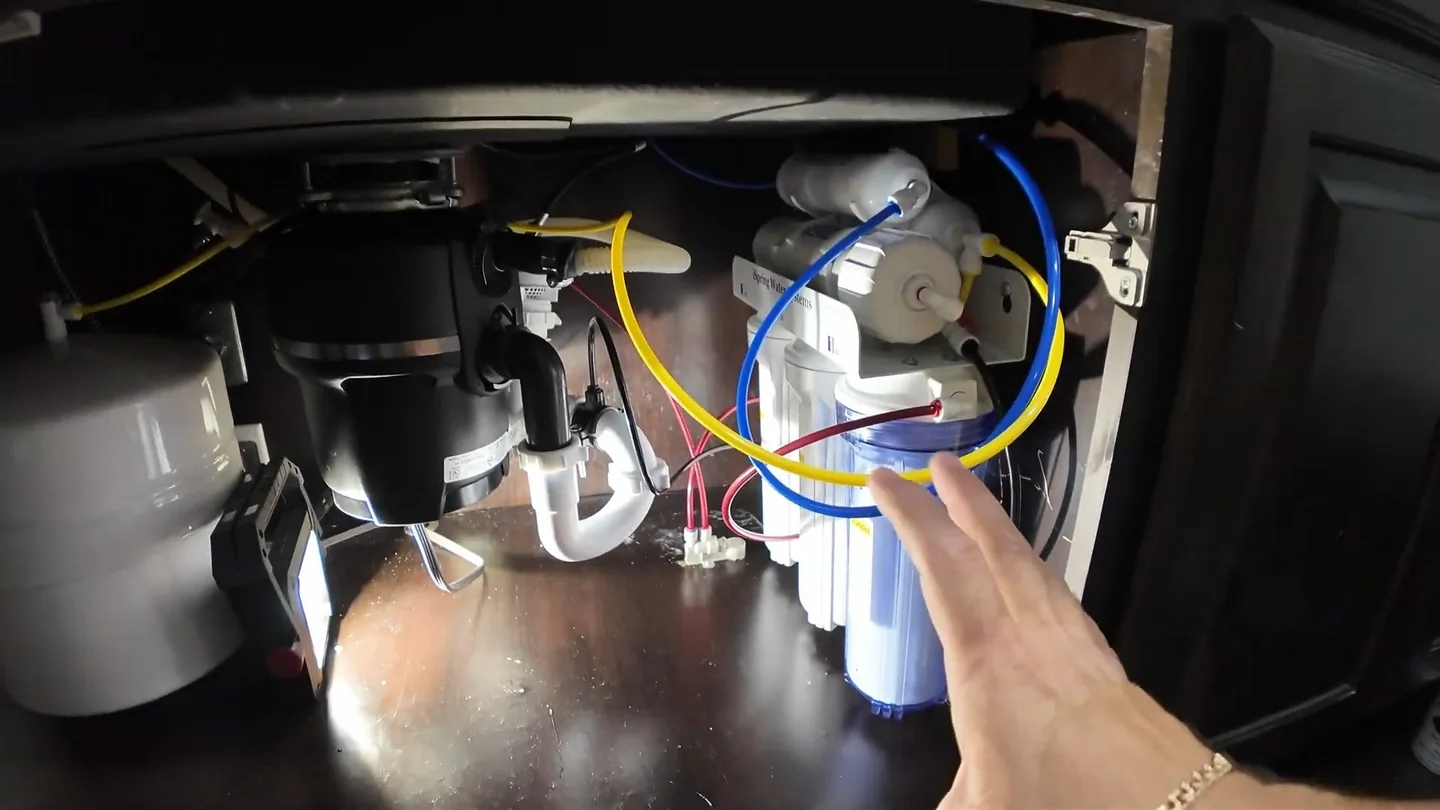
Repair it or replace it?
A plumber can fix a lot, but not everything. The honest question is whether the repair costs enough that a new unit makes more sense.
| Symptom | Usually |
|---|---|
| Hums, no spin, clears with a hex key | Repair or no part needed |
| Leaks at the flange or dishwasher hose | Repair |
| Leaks from the housing or bottom seam | Replace |
| Jams again and again, or grinds loudly | Replace |
| Dead after reset, power confirmed | Replace, or test the switch first |
Ask the plumber to tell you which column your unit falls in and why.
Not sure whether your disposal is worth fixing? Tell us how it sounds and where it leaks, and we will tell you what to expect.
Call (833) 840-2034What a disposal installation involves
Installing a new unit is more than bolting it under the sink. The mounting assembly has to seat properly, the discharge pipe has to line up with the trap, and the electrical connection has to be safe.
If a dishwasher drains into the disposal, the knockout plug inside the dishwasher port must be removed on a new unit. Forgotten plugs are a common reason a dishwasher stops draining after an install, so ask about it by name.
Ask whether the unit will be plugged into an outlet under the sink or wired directly, and where the switch is. A switch that is hard to reach or missing is a real safety question, not a detail. Choose a motor size that suits your kitchen, and ask the plumber to explain the difference rather than defaulting to the largest.
When the sink backs up and the disposal is innocent
A disposal that runs but water stays in the sink means the clog is past the unit. Look at the other side of a double sink. If water from the disposal side rises into the other bowl, the trap or the line behind it is blocked.
That is a drain problem, not a disposal problem, and the page about clearing a blocked kitchen line covers it. If every fixture in the house is slow, the blockage is further down than the kitchen.
Do not pour chemical cleaner into a disposal. It can sit in the bowl, and a plumber who comes later has to work around it. Say on the call if you used any.
What the disposal should not be asked to grind
Most disposal jams come from what goes into them. Grease hardens in the trap and the line. Stringy or fibrous scraps, such as celery and corn husks, wrap around the blades. Bones, fruit pits and large amounts of coffee grounds or eggshells pack into the trap.
Run cold water before, during and for a short while after grinding so the waste is flushed past the trap. If the unit is on a line that has backed up before, a camera check shows whether the problem is the kitchen branch.
For a commercial kitchen, a disposal is not the answer to a grease problem. The line needs its own attention, as described on the page about jetting grease from kitchen lines.
A disposal that smells or grinds slowly
A bad smell from the sink does not always come from the grinder. Food residue builds up under the rubber splash guard and in the drain beyond the unit, and a trap that is partly blocked holds odor. Cleaning under the splash guard with a brush and dish soap solves many cases, with the power off.
A disposal that grinds slowly, or a unit that sounds strained even on soft scraps, is a different matter. The motor may be worn or a bearing may be failing. If the sound changes or the unit gets hot, stop using it and have it looked at before the motor burns out.
If the smell comes back within days, ask for a camera look at the kitchen line. A persistent odor with a clean disposal suggests the problem is further down the pipe.
What to have ready when you call
A few details shorten the visit. Say whether the unit hums, is silent or leaks, and where the leak shows. Read the brand and model off the label on the unit if you can. Note whether a dishwasher is connected to it, and whether it plugs in or is wired.
That is enough for the plumber to decide whether to bring parts, a replacement unit or both. If the leak is near the dishwasher hose, mention it, because the fix may be on the dishwasher side.
Disposal jammed or leaking?
Call and tell us how it sounds and where it leaks. We will tell you what the visit should involve.