
Toilet repair in Watsonville, CA
Toilet Repair and Installation in Watsonville: Silent Leaks, Clogs and Relocations
A toilet that keeps running, a puddle at the base, or a bowl that will not drain. The first minutes tell you which kind of problem it is and whether it can wait.
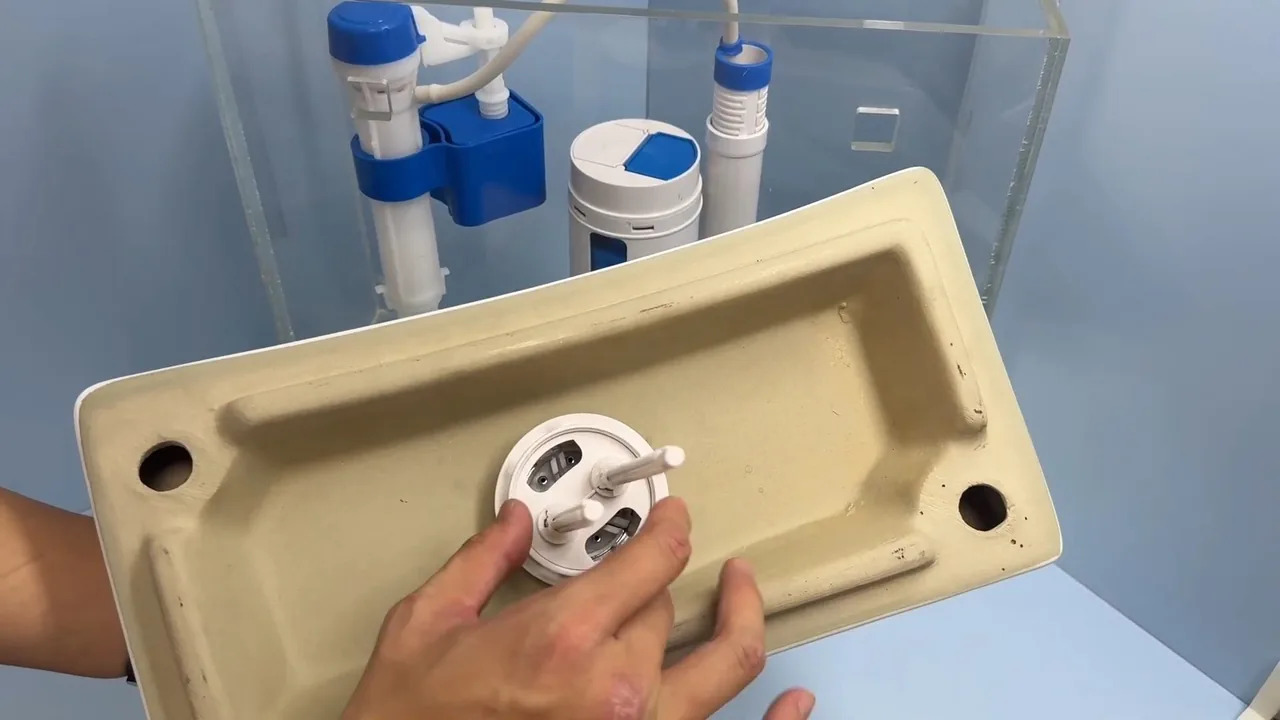
Running, weeping or clogged: what is the toilet telling you?
Toilet problems fall into three groups, and each has a different fix. A toilet that runs, hisses or refills on its own has a tank problem. A toilet with water around the base has a seal or connection problem. A toilet that will not flush or drain has a clog.
Know which one you have before you call. If water is on the floor and still coming, close the small valve on the wall or floor behind the toilet. Turn it clockwise until it stops. That stops the toilet and nothing else in the house.
Lift the tank lid and look. If water is running over the tall overflow tube, the fill valve is not shutting off. If water is running into the bowl with no flush, the flapper is not sealing.
What this check cannot tell you: how old the parts are, or whether the porcelain is cracked. A plumber can tell you whether to repair the parts or replace the toilet.
The dye test for a silent leak
A toilet can leak into the bowl without making a sound, and the only sign is a water bill that creeps up. The test costs nothing and takes fifteen minutes.
- Do not flush. Remove the tank lid and add several drops of food coloring to the tank water.
- Wait fifteen minutes without using the toilet.
- Look in the bowl. If color has appeared, the flapper or flush valve seat is leaking into the bowl.
- Flush to clear the dye, and tell the plumber what you saw.
A positive test points to one of the simpler leaks to fix, and one that runs all day if ignored. A negative test does not rule out a leak elsewhere, so read the meter if the bill keeps climbing. The page about checking the meter for a hidden loss explains how.
Water around the base of the toilet
Water on the floor around a toilet has four common sources. The wax ring between the toilet and the floor may have failed. The supply line or its connection may be leaking. The tank bolts may have loosened. Or the tank may be sweating from condensation, which is harmless but can look like a leak.
Dry the floor, flush, and watch where the water first appears. Water at the base after a flush points to the seal. Water at the supply connection points to the line. Drips from the tank bolts point to the gasket.
A toilet that rocks is a warning. A loose toilet breaks its seal, and a leaking seal can soak the subfloor without any visible puddle. Stop using a toilet that rocks and leaks, and call before the floor is damaged.
Toilet running, rocking or leaking? Describe what you see and we will tell you whether it can wait.
Call (833) 840-2034A clogged toilet: plunge, stop or call
A flange plunger clears most single-toilet clogs. Use it with firm, steady strokes, and stop if the water level rises toward the rim. Close the supply valve first, and lift the flapper chain if the tank is still refilling.
Skip chemical openers in a toilet. They can sit in the bowl, and the next person to work on it has to deal with the chemical. If a plunger fails twice, a closet auger is the next step, and a plumber has one.
The signal to stop is a second fixture. If the toilet clog comes with gurgling in the tub, water in the shower or a slow floor drain, the blockage is in the main line, not the toilet. Stop using the plumbing and call, because a main line backup can overflow the lowest fixture in the house.
The page about main line stoppages covers that situation, and sewer line ownership explains who owns which pipe in Watsonville.
Tank parts: repair or replace the toilet?
Most toilet repairs are small parts: a flapper, a fill valve, a flush handle or a supply line. They are worth doing when the toilet itself is sound. A cracked tank, a hairline crack in the bowl or a toilet that clogs constantly points to replacement.
Water use matters too. An older toilet that uses a lot of water per flush costs money every day. A plumber can tell you what yours uses and what the alternative would be.
Ask whether parts are in stock for your model. If they are not, the plumber should say so before starting, not after.
Weak flush and toilets that flush on their own
A weak flush has a short list of causes: a low water level in the tank, mineral buildup in the rim holes under the bowl, a partial clog or a flapper that closes too soon. Check the water level against the line marked inside the tank before assuming the worst.
A toilet that refills for a few seconds every so often, with nobody touching it, is losing water slowly past the flapper. This is the same leak the dye test finds. It wastes water all day and night, and the stream down the drain is easy to miss. Replacing the flapper is often the whole repair.
A gurgle, a smell of sewage or a bowl that bubbles when other fixtures drain points to the drain and vent, not the toilet itself. Tell the plumber when it happens, such as only after the washing machine drains, because the timing narrows the search a great deal.
Installing or relocating a toilet
A like-for-like toilet swap is routine. Measure the distance from the wall to the center of the floor flange, called the rough-in, before you buy, because a toilet built for a different rough-in will not fit. Ask about comfort height and dual-flush models if you want them.
Moving a toilet is a different job. It means changing the drain, the vent and often the floor, and it may need a permit. The City's web pages do not spell out when a permit is required, so call Building & Safety at (831) 768-3050 before work begins. Unpermitted work can bring a stop-work order and up to double fees.
Ask the plumber who pulls the permit, and what the floor will look like when the work is done.
Toilet still running or leaking?
Call and tell us what the toilet is doing. We will tell you what the visit should involve.