
Trenchless pipe lining in Watsonville, CA
Trenchless Sewer Repair in Watsonville: Relining the Pipe, Not the Yard
A cracked or root-filled sewer lateral does not always mean a trench through the yard. Whether it can be relined depends on what a camera shows, and the answer should be shown to you, not assumed.
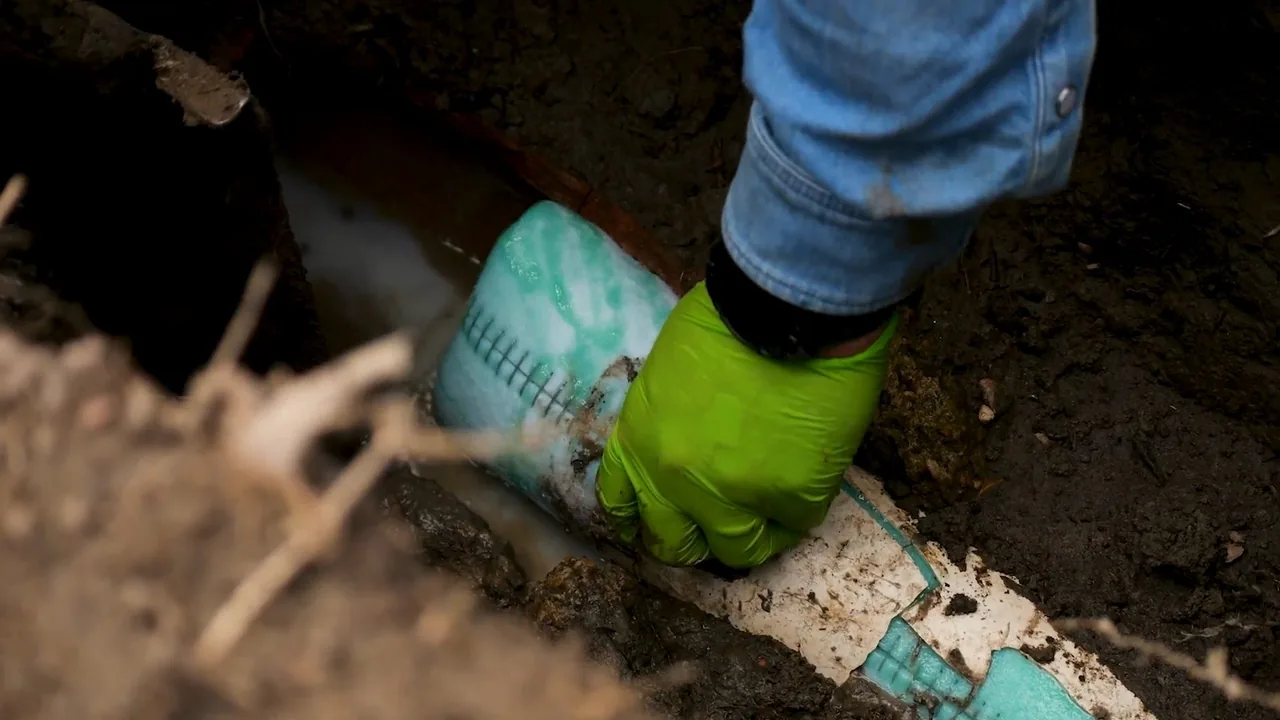
Can this pipe be lined, or does it have to be dug?
The deciding factor is not preference but what the camera shows. Lining works inside a pipe that is still a continuous channel. It does not work on a pipe that has collapsed, separated or sunk so far that water stands in it.
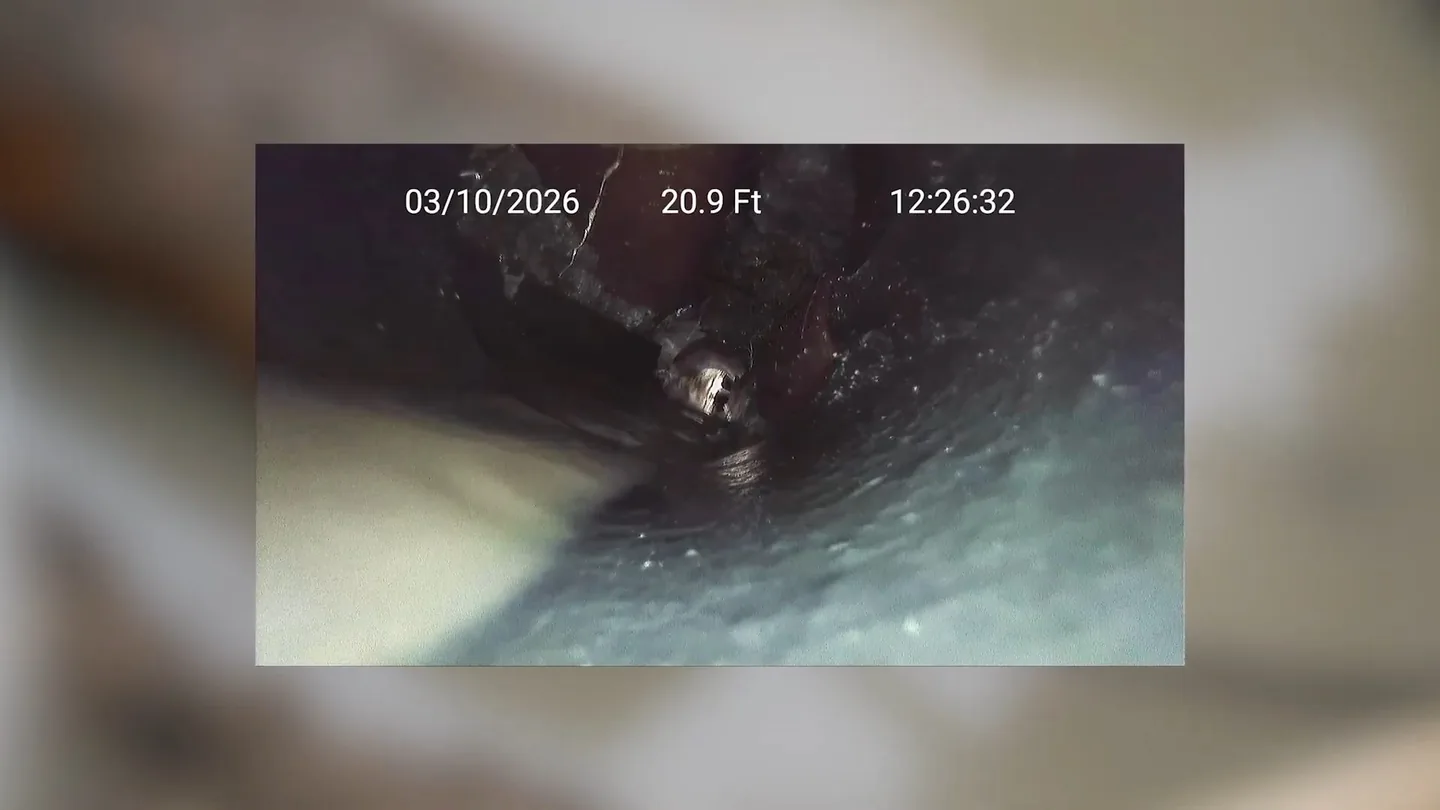
Roots entering at the joints, cracks along the length and rough scaled walls are good candidates. A section crushed flat, a joint pulled apart or a belly that holds water usually is not, because a liner cannot restore a shape the host pipe no longer has.
Ask the plumber to show you the camera footage and to say which condition applies to your line. A recommendation for lining that is not backed by footage is a guess.
Start with a camera inspection. No one can tell you whether a pipe can be lined until the inside has been recorded and cleaned.
Trenchless versus open trench: how the two compare
Open-trench repair replaces a failed section with new pipe, and it is still the right call for a collapsed or badly displaced line. Trenchless repair rebuilds the inside of the old pipe with a resin-soaked liner, so little of the yard is disturbed.
Neither method is better in general. The comparison is about this pipe, this yard and what sits above the line.
| Question | Open trench | Trenchless lining |
|---|---|---|
| What it needs | An excavation along the pipe, then backfill and surface repair | Small access points, usually at the cleanout |
| Best suited to | Collapsed, offset or sagging pipe | Cracked, rooty or scaled pipe that is still continuous |
| What it disturbs | Landscaping, paving or a slab above the line | Very little at the surface |
| What it cannot do | Avoid the digging | Fix a pipe that has lost its shape |
Ask for both options in writing if your line could go either way, and ask why the plumber prefers one.
Not sure your pipe is a candidate for lining? Tell us what a camera has shown so far and we will say what a plumber should confirm.
Call (833) 840-2034What lining fixes and what it leaves alone
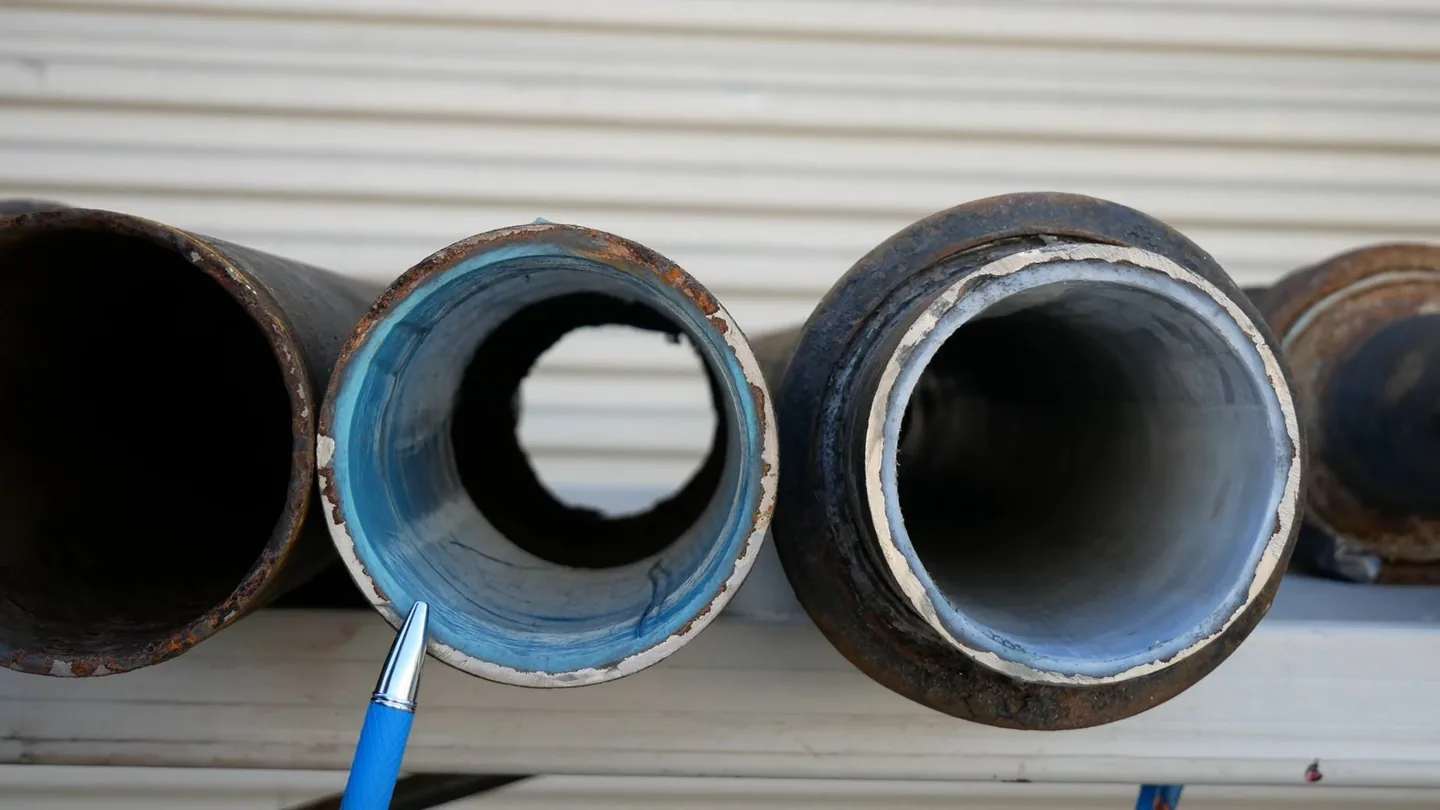
A cured liner seals cracks and joints so roots cannot re-enter, and it gives the inside of the pipe a smooth surface. That is the problem most recurring root clogs come from.
It does not straighten a pipe or lift a sag. It also reduces the inside diameter by a small amount, which matters if the pipe was marginal in size. Ask the plumber whether your line has enough capacity after lining.
Side connections, such as a branch from a bathroom or a second lateral, are cut open again after the liner cures. Ask how they will be reopened and how the plumber will confirm that each one is clear.
Relining steps: clean, inspect, install the liner and cure it
- Clean the pipe. Roots and scale are cleared so the liner can sit against the wall.
- Inspect it again. A second camera pass confirms the pipe is a candidate and marks any problem spots.
- Install the liner. A resin-soaked liner is pulled or inverted into the pipe through the access point.
- Cure it. Heat, steam or light hardens the resin into a new pipe inside the old one.
- Reopen the connections and inspect. A final camera run records the finished pipe.
Ask for the final footage. It is your record that the repair is sound, and it may matter when you sell the property.
Permits, 811 and what the City will want to see
The City requires a written permit to build a sewer lateral or connect to the main. The City pages do not say whether lining an existing lateral needs its own permit, so ask Building & Safety at (831) 768-3050 before you sign.
If any part of the job needs digging, such as an access pit, call 811 at least two working days before the dig. And if you are selling, ask the City whether a lined lateral satisfies its time-of-sale inspection, which must be certified by a NASSCO-certified plumber who holds a Watsonville business license.
The private lateral is the owner's responsibility, and the City handles its own main. A liner installed in the lateral does not change that. The full ownership picture is on the page about sewer line repair and lateral ownership.
Trenchless rerouting for pipes under a slab
The same no-dig thinking applies to some leaks under a slab, but it is a different job. Rerouting does not line the old pipe. It abandons the leaking line and runs new pipe overhead or elsewhere, so the slab is left alone.
If you have a confirmed leak under a slab, the page on slab leak repair covers the decisions in more detail. Confirm the leak first, because a reroute is not a diagnosis.
Why two lining quotes can look so different
Quotes vary because the jobs vary. The length of pipe being lined, its diameter, how much cleaning it needs and how many side connections must be reopened all change the work. So does how easily the crew can reach the line.
Ask each contractor to state the footage lined, the access points, the cleaning included and the connections reopened. Two quotes that disagree on those items are not quotes for the same job, and the lower one may be leaving something out.
A good quote also says what happens if the camera finds something that rules out lining once the pipe is cleaned. A section that turns out to be collapsed means switching to a dig, and you should know in advance who decides and how the price changes.
How long a liner lasts, and what the warranty should say
A cured liner is built to last for decades, but that is the manufacturer's intent, not a promise you can rely on without paperwork. What counts is the written warranty: who stands behind it, for how long, and what it covers.
Ask whether the warranty covers the liner only or the whole repair, and whether it transfers if you sell the property. Ask what the contractor will do if the liner fails or a connection is not reopened properly.
Keep the final camera footage and the warranty together with your closing documents, since the City's time-of-sale inspection can ask the next owner to show the lateral is in working order.
Questions to ask before you agree to lining
- Can I see the camera footage that shows this pipe can be lined?
- What is the pipe material and diameter, and how much does lining reduce it?
- How will each side connection be reopened and checked?
- What does the warranty cover, and in writing, for how long?
- Does the work need a permit, and who pulls it?
- Will I get the final camera footage?
Also check the contractor's license on the Contractors State License Board site. California requires a license once a job passes the dollar limit that took effect on January 1, 2025.
Wondering whether your sewer line can be lined?
Call and tell us what you have seen so far. We will tell you what the next step should be.