
Slab leak detection and repair in Watsonville, CA
Slab Leak Detection in Watsonville, CA: Confirm the Leak Before Anyone Cuts Concrete
A bill that keeps climbing, a warm patch on the floor, or the sound of water when nothing is running. Before anyone touches the concrete, the leak has to be confirmed and located.
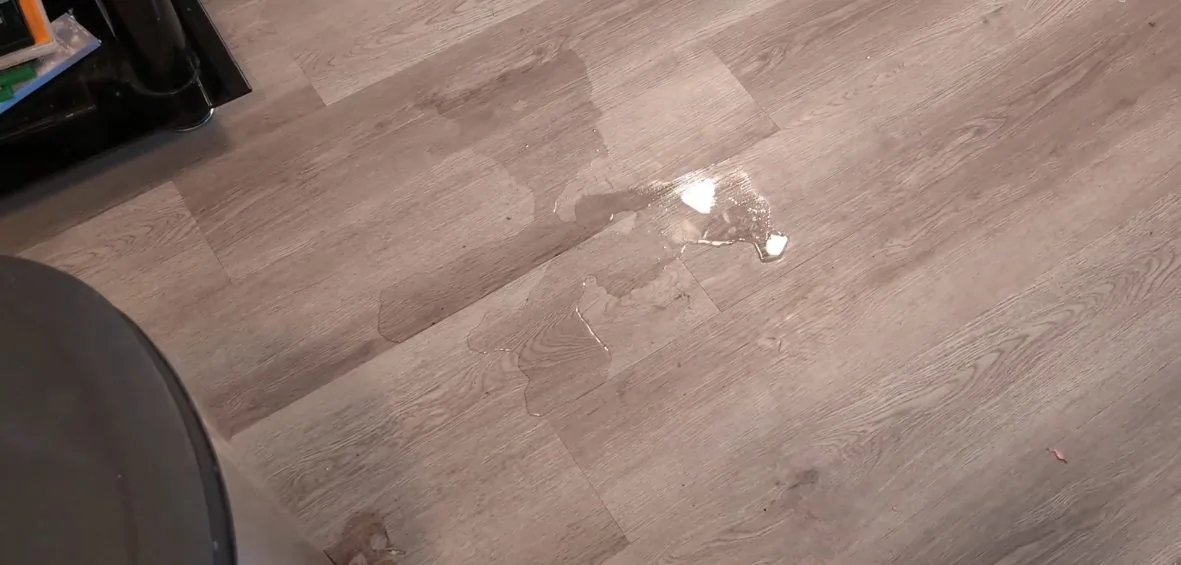
Is the water really leaking under the floor?
Most people suspect a slab leak after one of four signs. The bill climbed with no change in habits. Running water is audible when everything is off. A patch of floor feels warm. Or flooring and baseboards are damp with no visible pipe nearby. Each sign can have other causes, so start with the checks that rule things out.
Turn off every fixture and appliance that uses water, then read the water meter. A dial or triangle that keeps moving means water is escaping somewhere on your side of the meter. Close the main shutoff at the house and look again. If the meter stops, the loss is inside the house. If it keeps moving, the loss is on the line between the meter and your valve.
A warm spot on a floor usually points at a leaking hot water line, since the heat travels up through the concrete. Do not dig or drill to chase it.
What these checks cannot tell you: where the leak is, how deep it sits or whether the house has a slab at all. Some homes are built over a crawlspace instead, and a leak there is a different, easier job. A plumber can tell you which you have.
Call now, or book a regular visit?
Close the main shutoff and call right away if water is pooling on the floor, the meter spins fast with everything off, or the floor feels hot underfoot. A hot line leaking into a slab can scald, and water that has nowhere to go will soak flooring and walls.
A slow, steady signal, such as a bill that is a little higher or a faint sound at night, can wait for a regular appointment. Keep the main closed overnight if you can live without water, and write down the meter reading before bed and again in the morning.
If you smell gas, leave the house and call 911 or your gas utility from outside. A gas line is not a plumber's first call, and it is not something to test for yourself.
Pinpoint first, then choose the repair
Breaking into a floor on a guess is the costliest mistake in this work. A proper slab leak visit starts by confirming that the leak exists and finding it, which is the work described on the page about locating the leak before opening anything. Only then do the repair choices make sense.
Ask the plumber to tell you three things before work starts: which line is leaking (hot, cold or drain), where along the floor it sits, and how they confirmed it. A mark on the floor and a short written note are reasonable to ask for, and so are photos if the floor is opened.
- Which pipe is leaking, and how was it confirmed?
- How far is the leak from the nearest wall or fixture?
- Is it one leak, or does the line look worn along its whole run?
- What will the floor, cabinets or carpet need afterwards?
Think water is leaking under your floor? Tell us what the meter and the floor are doing, and we will say whether it needs a visit today.
Call (833) 840-2034Spot repair, reroute or repipe?
Once the leak is confirmed, there are three ways to deal with it. The right one depends on how many leaks there are, how the line runs and what is above it.
| Option | What happens | Fits when |
|---|---|---|
| Spot repair through the slab | The floor is opened over the leak and that section of pipe is replaced | One leak, easy access, and flooring that can be repaired |
| Reroute | The leaking line is abandoned and new pipe runs through walls or the attic | The line is hard to reach, or the floor finish is worth protecting |
| Repipe | Most or all of the supply piping is replaced | Leaks keep appearing, or the pipe is worn along its length |
A reroute leaves the slab alone and avoids chasing a leak through concrete. The same no-dig thinking appears on the page about trenchless pipe work, though that work is a different job.
If a second leak shows up within a few months, ask whether the pipe is failing as a whole. Replacing one section on a worn line often means paying for the same visit again. The page about whole-house pipe replacement explains how to compare that choice.
Slab leaks, softened soil and when to call a structural engineer
Water that runs for a long time under a slab can soften the soil beneath it. Cracks in walls or floors, doors that suddenly stick, or a floor that has dropped or lifted are reasons to ask a structural engineer to look, not just a plumber.
A plumber can stop the water and repair the pipe. Judging whether the structure moved is a separate job with a separate professional, and it is worth asking for before the floor is closed up again.
This page does not make claims about the soil or the building style of Watsonville houses, because those depend on the lot and the year of construction. Ask the plumber what they see at your address, and ask the engineer what the ground did.
Documentation, insurance and permits
If a slab leak caused damage, keep the leak-location note, any photos and every invoice. Your insurer decides what is covered, including any access or tear-out, so call them before the floor is opened if you can, and ask what they need to see.
Ask the plumber whether the repair needs a permit and who pulls it. The City's web pages do not spell this out for pipe repairs, so call Building & Safety at (831) 768-3050. The City applies stop-work orders and up to double fees to work done without a required permit.
Once the leak is fixed, wet flooring and walls still need to dry. Drying out the water damage covers that stage, which is separate from the pipe repair.
Who owns the leaking pipe in condos, rentals and commercial units
Who owns the pipe changes who you call. In a condo, the association may own the lines below the floor, and in a rental the landlord usually decides on the repair. Check before you pay for work you may not be responsible for.
Commercial slab leaks follow the same logic, with a longer list of tenants, shutoffs and floor finishes to coordinate. Call and describe the building. The first visit is still about confirming the leak, and the plan comes after.
Suspect a leak under your floor?
Call and describe what the meter and the floor are doing. We will tell you what the visit should cover.