
Water heater replacement in Watsonville, CA
Water Heater Replacement for Watsonville Homes: Gas, Electric and Hybrid Tanks
The old tank has quit, and every hour without hot water makes a quick decision feel necessary. The choices that matter are fuel, size, strapping and the permit question, and none of them take long to settle.
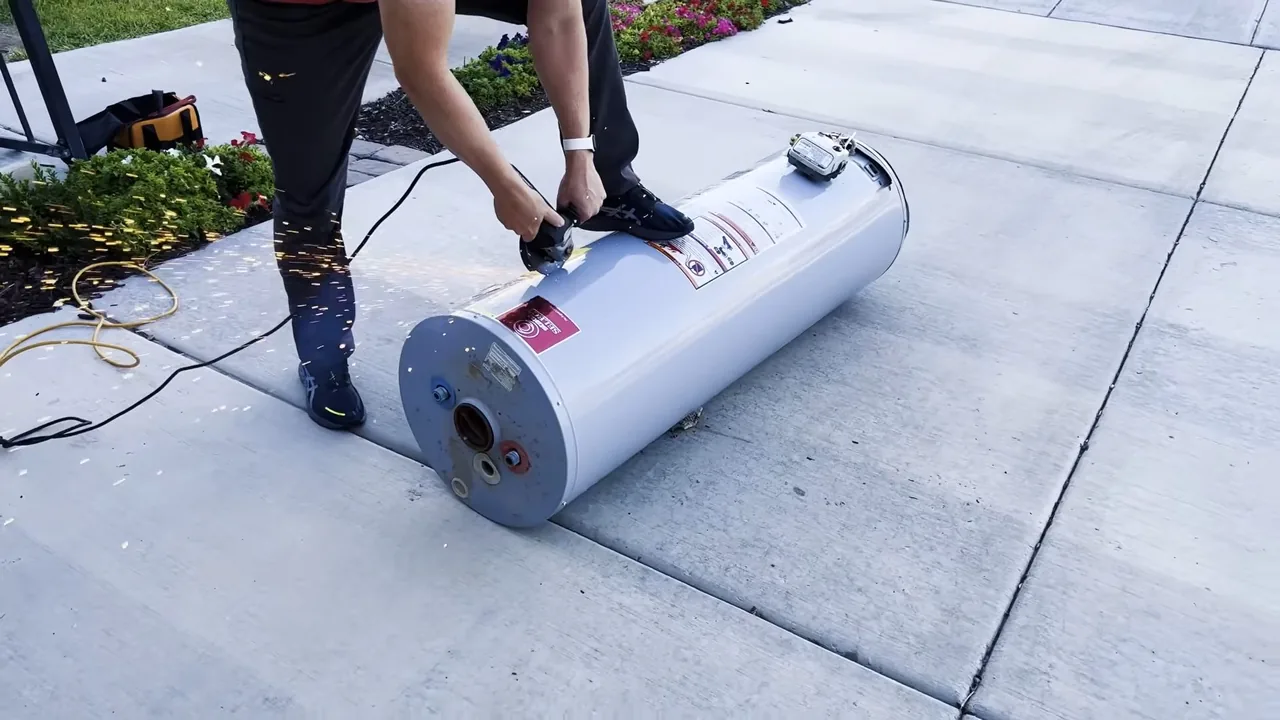
What to settle before the old tank is drained
A failed heater puts you on a short clock, and that is how people end up approving the first quote they hear. Three decisions come before any price, and you can make them in a few minutes with the label on the old unit in hand.
First, the fuel. Keeping the same fuel is the simplest swap, because the gas line, vent or electric circuit is already there. Second, the size. Match the tank to how many people use hot water at the same time, not to the size of the house. Third, the location. A heater in a closet, garage or attic has different clearance and drain needs than one on an open wall.
Read the old label aloud to the plumber on the call. Fuel, gallons and the location tell them what to bring on the truck.
Gas, electric or hybrid heat pump: the choice that changes the install
A gas tank needs a vent that carries exhaust outside and a gas line that is the right size. If either was marginal on the old unit, the plumber should tell you before the new one goes in, not after.
An electric tank needs a circuit that matches its heating elements. A hybrid model, which combines a heat pump with electric elements, needs more than that: open air space around it, a path for the condensate to drain, and tolerance for some fan noise. It is not a drop-in swap for a gas tank in a tight closet.
Ask for the reasoning behind any recommendation to change fuel. Changing from gas to electric or hybrid is a project with its own scope, while like-for-like replacement is the lighter job.
Need a replacement quote you can compare line by line? Call with the label details and we will go through the choices with you.
Call (833) 840-2034Strapping, expansion tanks and other code items on install day
California Health and Safety Code 19211 requires every new and replacement water heater to be braced, anchored or strapped. Make it a line on the quote. Ask the plumber to show you the straps when the job is done.
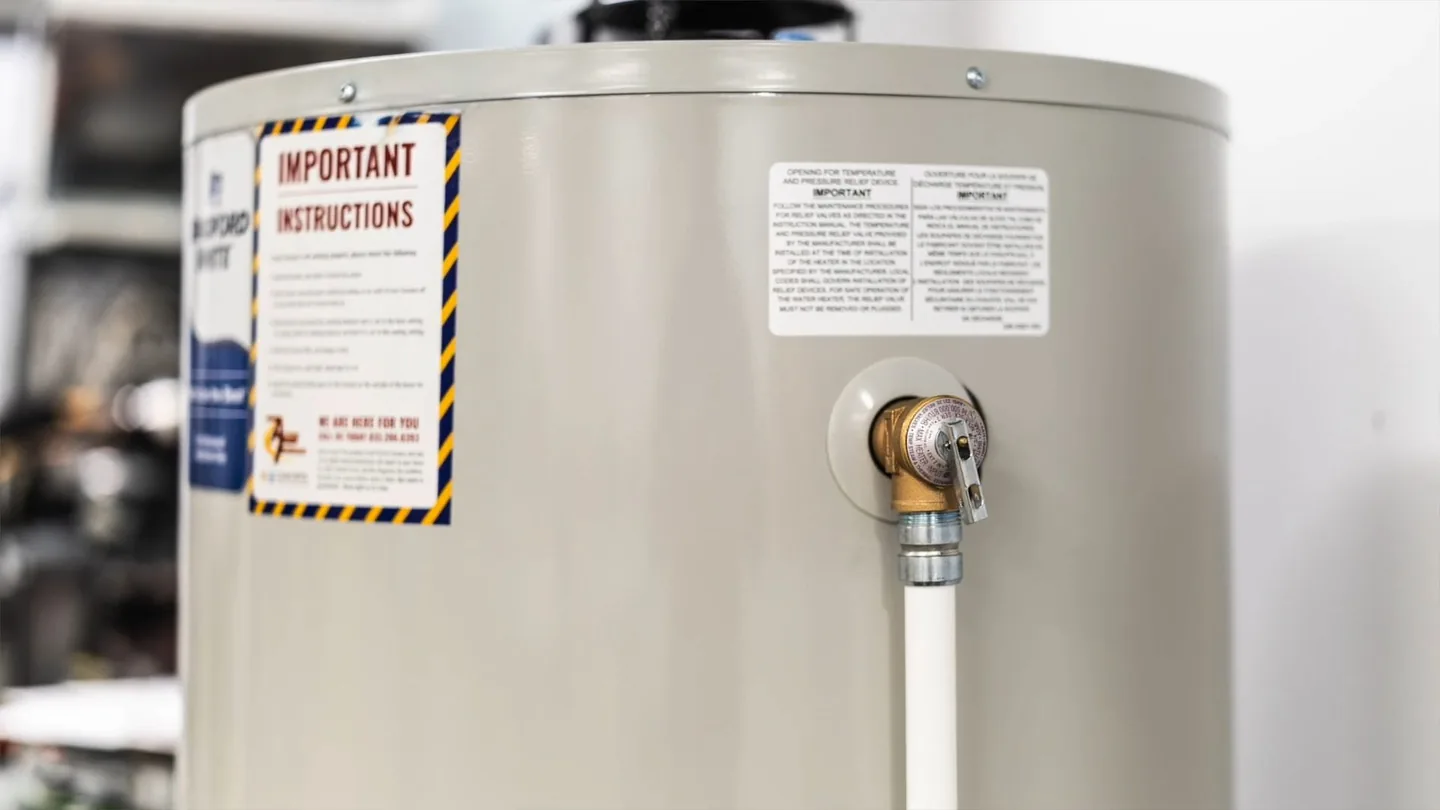
Other code items depend on the setup. A closed water system can need an expansion tank to absorb the pressure the heater creates as it warms. The temperature and pressure relief valve needs a discharge pipe routed correctly. A gas unit needs the vent connected and sealed.
Do not accept a vague line such as "all code work included". Ask the plumber to name each item the install will include and to point to each one when the work is done.
- Straps or bracing, with where they are attached.
- Expansion tank, or the reason the setup does not need one.
- Relief valve and its discharge pipe.
- Venting for a gas unit, and a carbon monoxide alarm check.
Does a replacement need a Watsonville permit?
The City's web pages do not say whether a water heater replacement needs a plumbing permit, so do not take anyone's word for it, including ours. Building & Safety answers the question at (831) 768-3050. The office issues permits from 8 to 12 and 1:30 to 4, Monday to Friday.
Ask the plumber who pulls the permit if one applies, and make sure that responsibility is written into the quote. The City's Building Division says unpermitted work can bring a stop-work order and up to double fees, and that bill lands on the property owner.
Check the contractor's license on the Contractors State License Board site as well. California requires one once a job passes the dollar limit that took effect on January 1, 2025, and a water heater replacement can reach it.
ADUs, additions and a heater for the new space
A backyard unit or addition needs its own hot water, and that is a design decision rather than a repair. The heater can be a small tank, a point-of-use unit or a line extended from the main house. Each choice changes gas line, electrical and venting needs.
Because an ADU or addition is a permitted project, the heater is part of the plans the City reviews, not a separate purchase. Ask Building & Safety how the water heater should appear on the drawings, and have the plumber confirm the capacity and venting before framing closes.
If a tankless unit looks like the better fit for the new space, tankless water heater service explains what it needs.
Sizing and warranty: two questions that outlast install day
An undersized tank runs out in the middle of a shower, and an oversized one wastes energy keeping extra water hot. Count the people in the house, think about whether two showers or a shower and the dishwasher run at once, and let that guide the gallon rating. Ask the plumber to explain the size they recommend in those terms.
A warranty is only worth what it covers and who honors it. Ask which parts are under the manufacturer's warranty and for how long, and whether the labor to replace a failed part is covered by the manufacturer, the installer or neither. Ask for those terms in writing, and keep the model and serial number with the paperwork.
Finally, ask what maintenance the new tank needs. Many heaters benefit from an occasional flush to clear sediment, and the plumber can tell you what the manufacturer recommends for the model installed.
Install day: what to expect and what to ask
Expect the water to be off while the old tank is drained and removed. Ask how long that will be, and plan around it. Ask who hauls away the old unit and whether the price includes it.
After the new heater is in, the plumber should fill it, check for leaks at every joint, light or power the unit, and confirm hot water at a tap. Ask to be shown the shutoff valve and the relief valve discharge, so you know where to look if something drips later.
If the old heater was failing because of a leak, the quote should say what was done about the damaged area. If the leak soaked a floor or wall, water damage cleanup after a heater leak is a separate scope from the heater work.
Still deciding between repair and replacement?
If the heater still makes hot water, a repair may be the better call. Fixing a water heater instead walks through which failures are fixable and which are not.
Either way, get the quote in writing: unit model, size, fuel, strapping, vent, permit status and haul-away, so you can compare it with any other quote on the same terms.
Ready to replace your water heater?
Call with the details from the old label and we will go through your options.