
Water softener installation and repair in Watsonville, CA
Water Softener Installation and Repair in Watsonville: Test the Water Before You Buy
White crust on the faucets, spotted glasses and a water heater that scales up. Before you buy a system, find out what is in the water and what actually fits your house.
Do you need a softener at all?
White crust on faucets, spots on glasses, a film in the shower and a water heater that scales up are the usual signs of hard water. They are signs, not proof, so the first step is a measurement, not a purchase.
This page does not state a hardness number for Watsonville water. The figure depends on your water source and changes over time, so it should come from the City's annual water quality report. Ask the City Water Division at (831) 768-3133 for the current report. If your bill comes from a different provider, ask that provider.
Once you have the number, ask the plumber to read it with you and say whether it justifies a softener, a filter or nothing at all. If the answer is nothing, that is a fair answer, and it saves you an installation you do not need.
What a report cannot tell you: what the water does inside your pipes and appliances. Look at the scale on your own fixtures too, and show the plumber.
Softener, filter or both?
They solve different problems, and people often buy the wrong one.
| System | What it does | Choose it when |
|---|---|---|
| Water softener | Removes the minerals that cause scale | Scale builds on fixtures and in the heater |
| Whole-home filter | Reduces taste, odor, chlorine or sediment | The water looks or tastes wrong, though scale is not the issue |
| Both | Treats scale and taste | The report and your own use show both problems |
Ask for the reason behind the recommendation. A plumber who can tie it to your water report and your fixtures is giving you a real answer. A salesperson who recommends the biggest system without a test is not.
What a softener installation involves
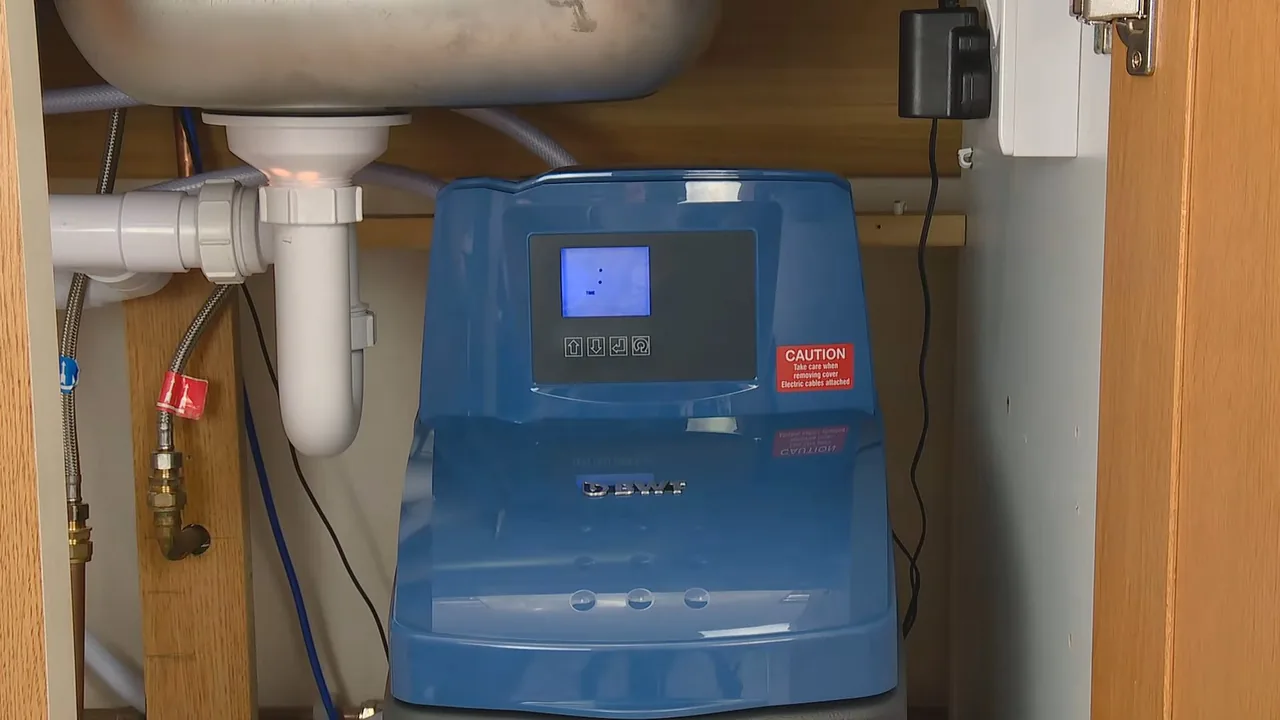
A softener goes on the main water line, usually near where the line enters the house and before the water heater. It needs a bypass valve, space for the tank and a salt bin, an electrical outlet and a place for the regeneration water to drain.
That drain connection is the part to ask about. Some California communities restrict where softener discharge may go. This page does not state whether Watsonville does, so ask Building & Safety at (831) 768-3050 whether a permit or any limit applies before the installer starts.
Ask where the unit will sit, how the drain will be connected and how you will bypass it if it fails. Ask also whether outdoor hose bibs will be on softened water, because many people prefer them untreated.
Thinking about a softener or filter? Call with your water report and your concerns, and we will tell you what to check.
Call (833) 840-2034A softener that has stopped working
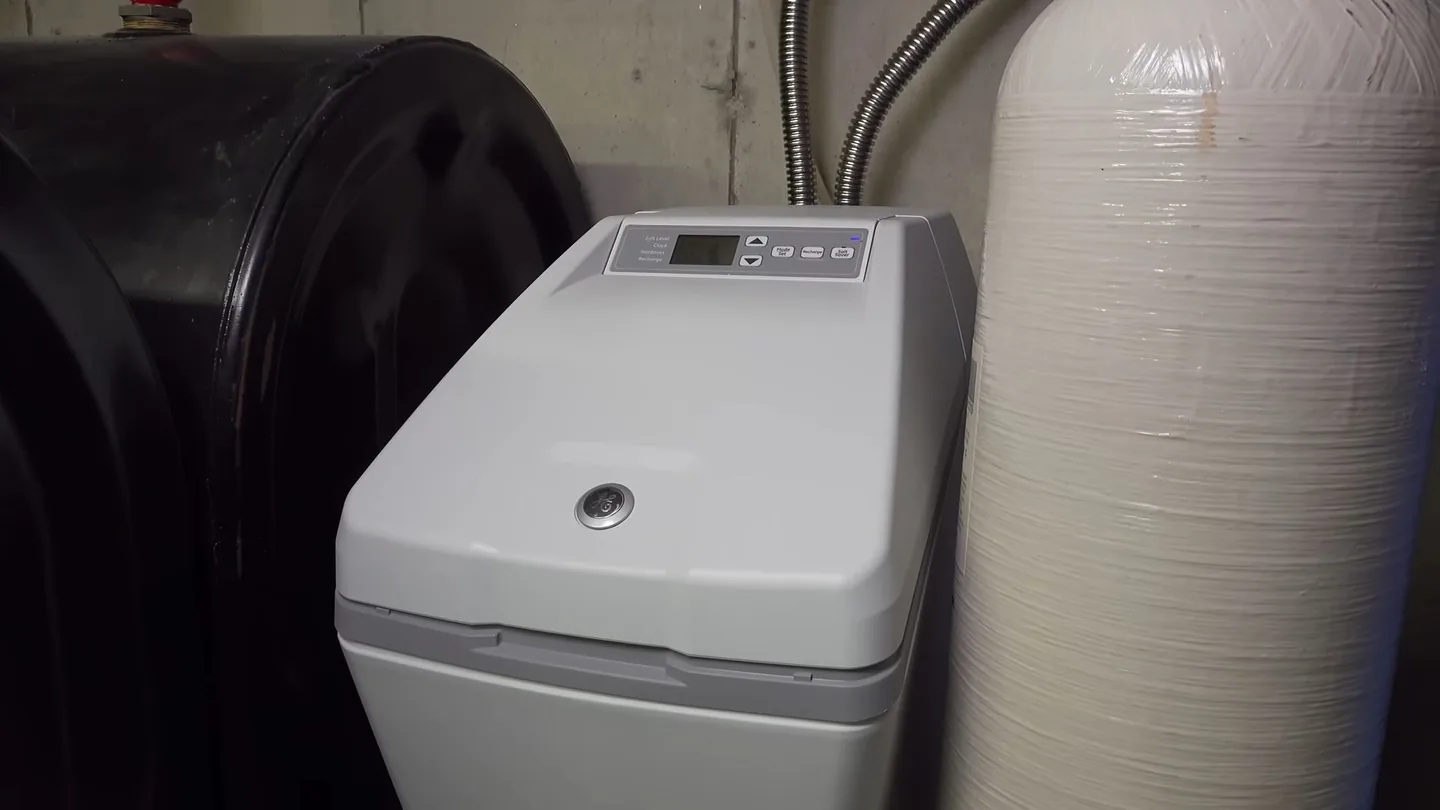
Hard water coming back after a softener was installed is usually one of a few causes. The salt bin may be empty, or the salt may have formed a bridge, a hard crust that leaves a gap beneath it. The bypass valve may be open. The timer or the power may have failed. Or the resin inside the tank may be worn out.
You can check the first three yourself. Look in the bin, break a crust with a broom handle if you find one, and confirm the bypass is set to service. Do not open the control head.
If the bin is full, the bypass is right and the water is still hard, call. Note whether the unit regenerates, and whether you hear it. That tells the plumber whether to bring a part or plan a replacement.
Salt refills, floor space and conditioners that use no salt
A salt softener uses salt, and the bin needs refilling. A conditioner that uses no salt does not remove the minerals; it changes how they behave. Ask the plumber to explain which one fits your goal.
Plan for the space. A softener needs a few square feet beside the main line, plus room to carry bags of salt. In some homes the main line is in a small closet or a cramped garage corner, and that decides what fits.
Ask how the unit will be serviced and who to call when it stops working. A system installed by someone you cannot reach later is a poor deal.
Whole-home filtration: what to ask for
A whole-home filter treats water where it enters the house, so every tap gets the same water. That is useful when the complaint is about taste, odor or sediment across the house. It is wasted money when the complaint is scale, because most filters do not remove hardness.
Before you choose one, ask what the filter is meant to remove and how that was decided. Ask how often the cartridge or media changes, what the replacement costs to run, and whether the system slows the flow to the shower. A filter that starves the upstairs bath of pressure is a bad trade.
Also ask what the City's water quality report says about the thing you want removed. If the report shows nothing there, a filter will not fix a complaint that comes from somewhere else, such as an old pipe or a water heater.
What it means for your water heater and fixtures
Scale does the most harm where water is heated. A tank heater with scale on its element or at its base loses efficiency, as described on the page about scale problems in a tank heater. A tankless unit can fail from scale buildup, which is covered under protecting a tankless unit from scale.
A softener is one answer, but not the only one. Regular flushing of the heater also helps. Ask the plumber to look at your heater when they visit, and to tell you what they see.
Questions to ask about a softener quote before you sign
In-home water tests that come with a sales visit tend to end in a quote for a large system. Take the report, and take your own measurement, before you decide. Compare the quote with what the report says you need.
- What does my water report say, and what is the target?
- How big is the system, and why that size?
- How is the drain connected, and is a permit needed?
- What does upkeep involve, and who handles repairs?
Water softener not softening?
Call and tell us what the unit is doing. We will tell you what the visit should involve.